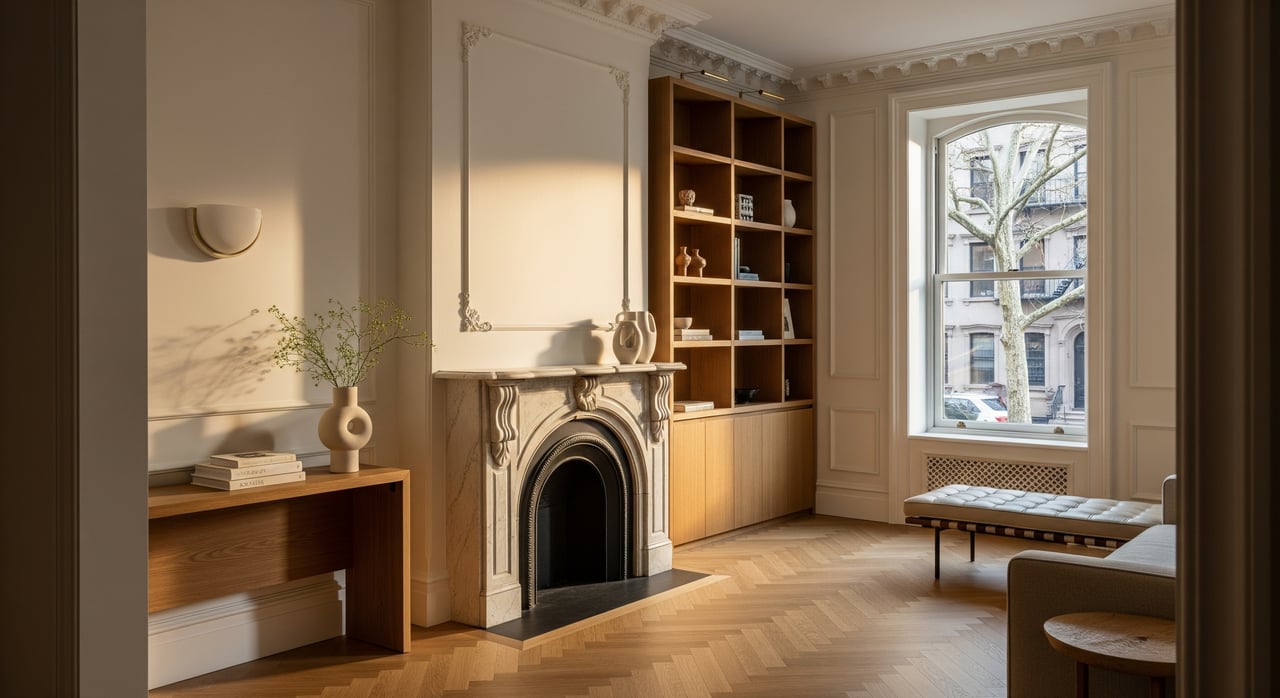
Renovating a prewar apartment in the West Village can feel like a puzzle. You want modern comfort without losing that irreplaceable character. You also want a plan that respects co-op rules, city permits, and, in many cases, historic-district requirements. This guide gives you a clear path from scope to sign-off, with smart design choices that protect value and reduce surprises. Let’s dive in.
What makes West Village prewar different
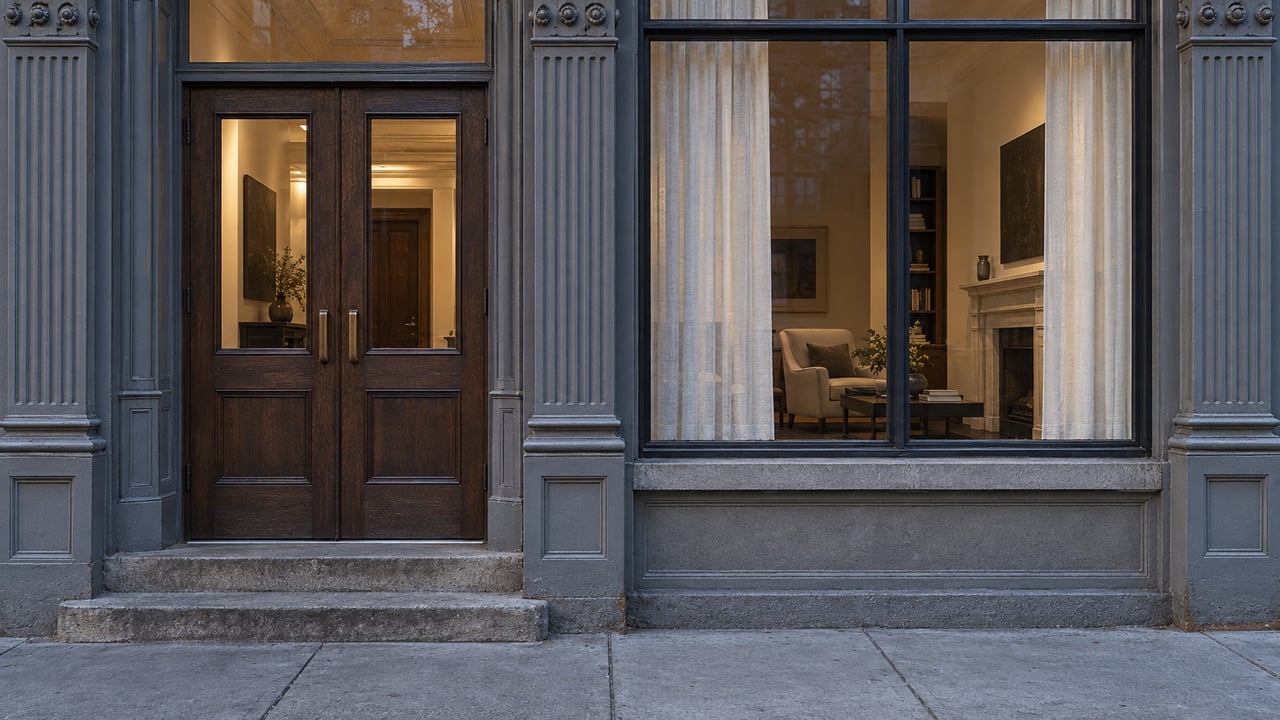
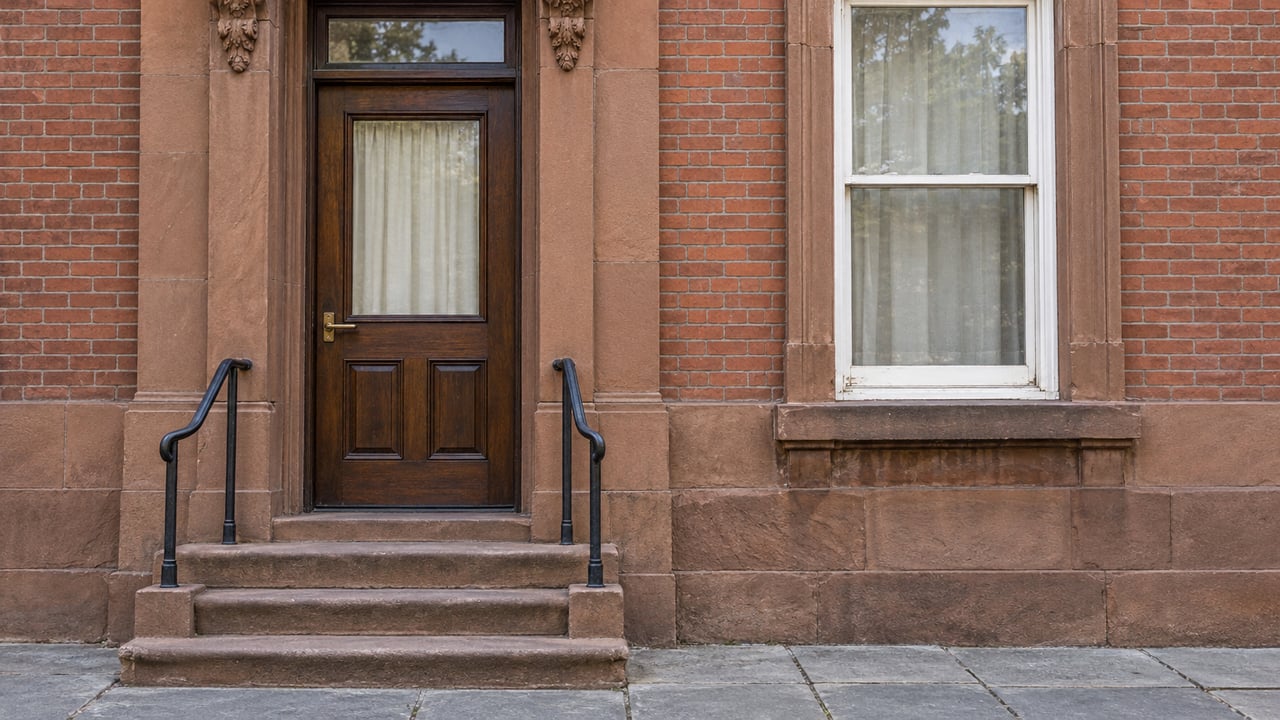
Many West Village buildings are prewar co-ops or condos with masonry construction and historic details. That means two big guardrails: your building’s alteration rules and, if you are in a historic district or a designated building, Landmarks oversight for exterior changes. Expect defined construction hours, insurance requirements, deposits, and protection plans for common areas. Plan early for board review and city permits so your schedule stays on track.
Plan your scope with intent
Light vs. moderate updates
A light update usually means paint, floors, and swapping fixtures. A moderate scope can include a kitchen and bath refresh, electrical upgrades, and small layout tweaks that do not affect structure. Be clear about what is cosmetic versus permitted work so you know where city filings and licensed trades are required. Align your goals, budget, and timeline before you request bids.
Preservation-first finishes
The strongest value often comes from restoring original fabric. Refinish existing hardwood rather than replacing when possible. Repair plaster and match molding profiles to keep the proportions that make prewar rooms feel right. Restore original doors and hardware, and adapt built-ins where you can. These choices read as authentic and elevate resale appeal.
Approvals you will need
Co-op and condo boards
Most West Village co-ops, and many condos, require a formal alteration package. Expect to submit plans, contractor licenses, certificates of insurance, an alteration agreement, and a construction deposit. Some buildings require a superintendent’s oversight or specific contractors. Secure the building’s rules and submission checklist at the start so you file in the right order.
Department of Buildings permits
Work that touches structure, egress, plumbing, gas, electrical, or full kitchen and bath replacements typically needs Department of Buildings permits and licensed professionals. Cosmetic work like paint or like-for-like fixture swaps may not. Plan for inspections during and after construction, and keep all sign-offs. Missing permits can complicate financing and resale.
Landmarks considerations
Large parts of the West Village sit within historic districts. Landmarks Preservation Commission review is usually required for exterior changes visible from the street, including windows and facade elements. Interior work is generally outside LPC jurisdiction unless the interior is individually designated. If your scope touches windows or exterior penetrations, consult a design professional and plan a historically sympathetic submission.
Environmental testing
Pre-1978 buildings can contain lead paint, and prewar assemblies can include asbestos in mastics, insulation, or flooring. Test before demolition and use certified abatement if materials will be disturbed. Older wiring or hidden moisture issues can also surface once walls open. Budget for testing and potential remediation so surprises do not derail the schedule.
Timeline and sequencing
Pre-construction
Expect 2 to 8 weeks to define goals and hire your team. Collect the building’s alteration policy, start your board conversation, and confirm whether Landmarks applies. Obtain preliminary bids and arrange lead and asbestos testing. This is also the time to align on budget and set a realistic contingency.
Approvals and permitting
Plan 2 to 12 weeks for board review, DOB filings, and any LPC review. Some buildings require board approval before DOB filing, while others require proof of DOB submission first. Confirm your building’s sequence so you do not lose time. Contractor selection often runs in parallel with approvals.
Construction phases
A light-to-moderate renovation typically follows a clear path. Protection and staging come first. Selective demolition follows, then rough-ins for plumbing, electrical, and HVAC. After inspections, your team repairs plaster, restores moldings, and installs finishes like cabinetry, tile, and flooring. The close-out includes final inspections, a punch list, and a thorough clean.
Total durations
A light cosmetic refresh can take 2 to 8 weeks. A moderate renovation that includes a kitchen, a bath, and electrical upgrades often runs 8 to 16 weeks, plus the time for board, DOB, and any LPC approvals. If you plan structural changes or exterior window work, expect a longer runway that can extend to several months.
Design choices that add value
Kitchens and baths
Blend modern function with classic lines. Shaker or simple inset cabinetry, honed stone or durable quartz counters, and subway or mosaic tile read period appropriate and timeless. In baths, consider reglazing a cast-iron tub and pairing it with classic fixture profiles in polished chrome or matte nickel. Keep grout lines tight and proportions balanced.
Mechanical and electrical
Upgrade electrical service to support modern appliances and add outlets discreetly. Ductless mini-splits are often a good fit in prewar buildings, but you will need building permission for any penetrations. Improve acoustics with underlayment and resilient channels where feasible. If you want in-unit laundry, confirm building rules and choose ventless options when venting is not allowed.
Window strategy
If original windows are in good condition, consider restoration with weather-stripping and interior storms to improve comfort. When replacement is unavoidable and visible from the street, match profiles and sightlines and plan for Landmarks review. A sensitive approach can deliver better performance without sacrificing curb presence.
Budget, team, and risk
The right team
For most West Village projects, plan on an architect or preservation architect, a licensed general contractor experienced with co-ops and condos, and licensed MEP trades. Add a structural engineer if you plan to alter openings. Certified testing and abatement teams manage hazardous materials, and a permit expediter can help on complex filings.
Budget basics
Prewar buildings hide surprises. Carry a 10 to 20 percent contingency, more if the scope is large or the unit is very old. Include building deposits and fees, testing and permit costs, and professional design fees. Ask your contractor to break out allowances for finishes so you can control quality and budget.
Avoid common pitfalls
Do not start demolition before you have board approval and required permits. Hire teams who know DOB, LPC, and co-op processes. Test for hazardous materials early. Communicate with neighbors and management, and protect common areas to avoid fines. Keep every permit, approval, and sign-off for future resale.
Quick checklist
- Review the building’s alteration policy and any renovation meeting requirements.
- Hire an architect or designer and an NYC-experienced contractor for scope and estimate.
- Test for lead and asbestos before demolition.
- Confirm which trades need DOB permits and who will file them.
- Determine if LPC review applies to your scope and plan documentation.
- Secure insurance certificates, deposits, and elevator reservations.
- Track inspections, change orders, and board requirements during construction.
- Collect final DOB sign-offs, warranties, and as-built drawings at close-out.
Resale insights
Buyers in the West Village tend to respond to authentic prewar details paired with reliable modern systems. Work without permits or board sign-off can slow a sale or affect financing, so documentation matters. Thoughtful restoration, quality craftsmanship, and clean compliance often produce the strongest offers and smoother closings.
If you want a renovation plan that aligns with your building, budget, and resale goals, our team can help coordinate scope, approvals, and presentation. For confidential guidance, connect with Devin Hugh Leahy.
FAQs
Do I need Landmarks approval for window changes in the West Village?
- If your building is in a historic district and the exterior is visible from the street, exterior window replacements typically require Landmarks Preservation Commission review. Interior-only sash repairs usually do not.
What DOB permits are common for a moderate prewar renovation?
- Kitchen and bath replacements, new partitions, plumbing, gas, electrical upgrades, and HVAC changes often require Department of Buildings permits and licensed trades.
Can I add a washer and dryer to my West Village co-op?
- Possibly, but many buildings restrict vented dryers or require specific conditions. Check your alteration policy and plumbing stack access, and consider ventless units if venting is not allowed.
Is it better to keep plaster or replace with drywall?
- Preserving and repairing original plaster and matching molding profiles helps maintain prewar character and can support value. Drywall is acceptable where needed, but match thickness and details where visible.
How long should I plan for a kitchen and bath update?
- A moderate kitchen and bath renovation typically takes 8 to 16 weeks for construction, plus time for board, DOB, and any LPC approvals that can extend the total timeline.
What paperwork should I keep for resale after a renovation?
- Save all board alteration approvals, DOB permits and final sign-offs, contractor invoices, warranties, and a record set of plans or as-built drawings.