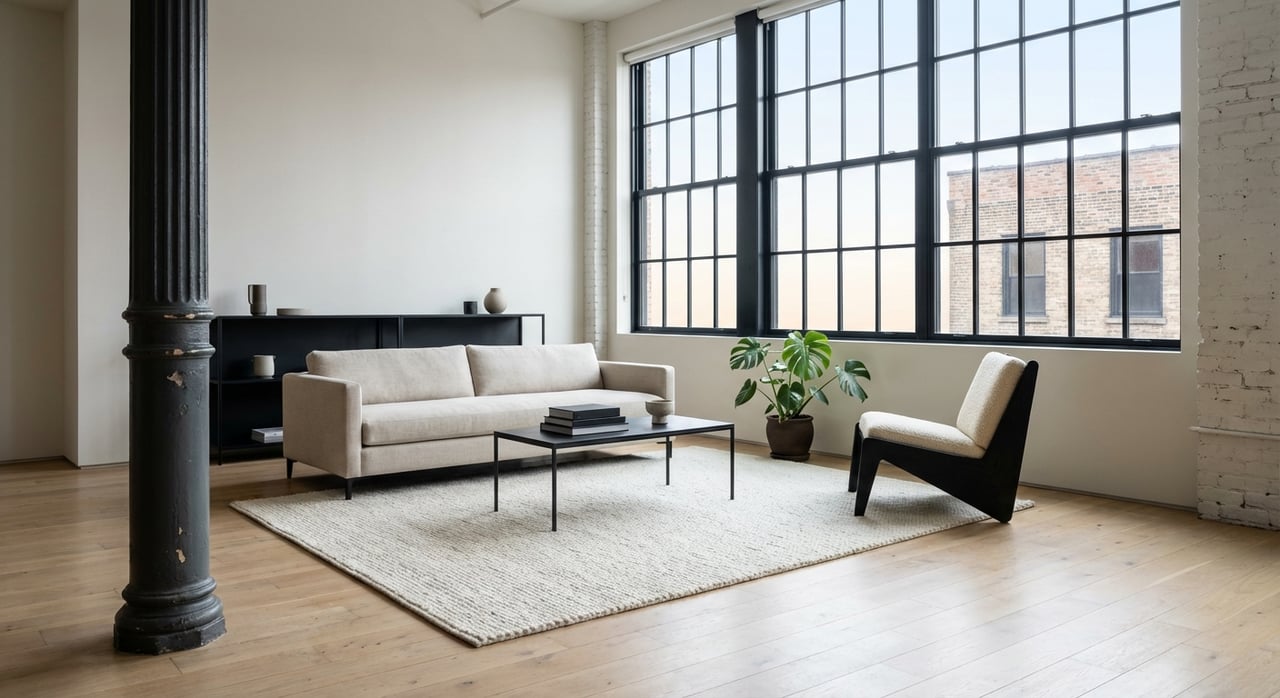
You fall in love with SoHo for the soaring ceilings, cast‑iron columns, and gallery‑like light. Then you hear about JLWQA, Loft Law, LPC approvals, and Certificates of Occupancy. If you are eyeing a true SoHo loft, the fine print matters as much as the floor plan. This guide gives you a clear path through ownership types, approvals, timelines, and red flags so you can buy with confidence. Let’s dive in.
What defines a SoHo loft
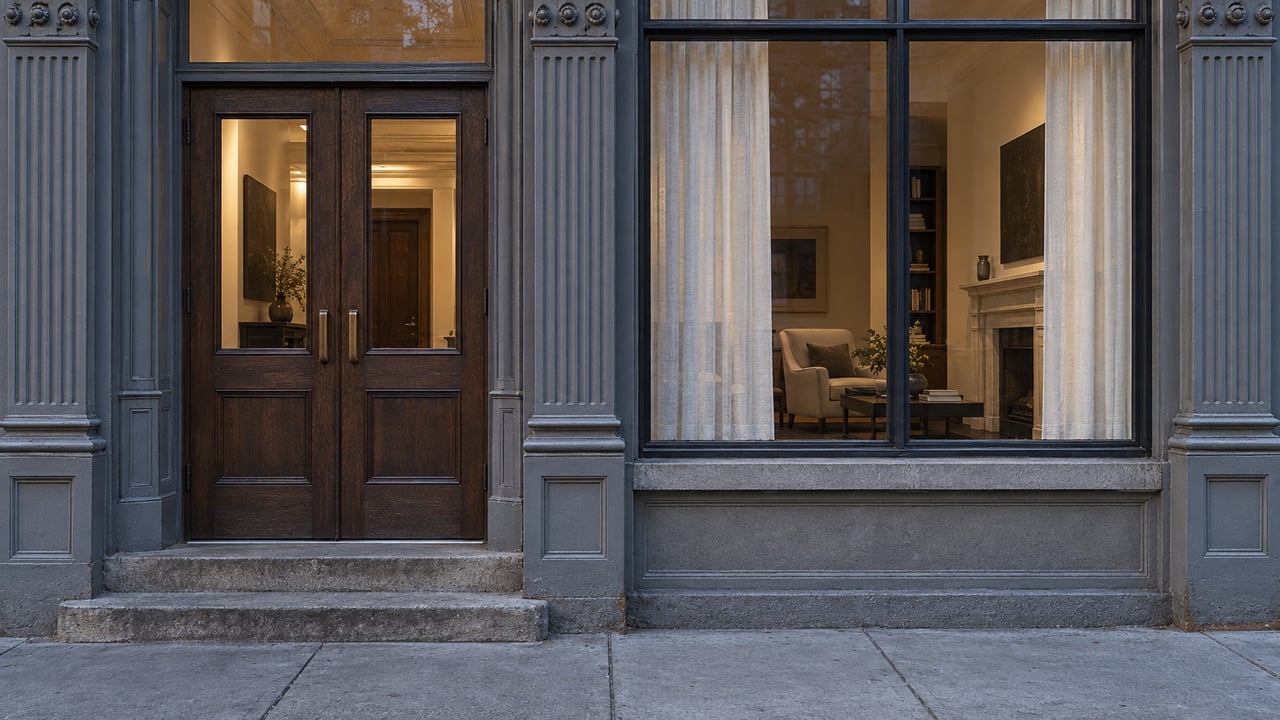
SoHo’s signature buildings date to the late 1800s. Think open floorplates, tall ceilings, and large multi‑light windows framed by cast iron. These features drive value, but they also shape what you can change and how you finance or insure the home.
Most of the neighborhood sits inside the SoHo–Cast Iron Historic District. That status preserves the streetscape you love and also brings oversight for many exterior changes. Verify ceiling heights, window dimensions, and any mezzanines on the plans so there are no surprises when you renovate.
Historic district rules to know
If a building is landmarked or in a historic district, exterior work that affects protected features requires Landmarks Preservation Commission review. Typical approvals include a Certificate of No Effect, a staff‑level Permit for Minor Work, or a full Certificate of Appropriateness with a public hearing. Learn what triggers each on the City’s page on performing work on a landmarked property.
Cast‑iron façades often require in‑kind repair or replacement at visible levels, which means specialized fabrication and longer lead times. Staff strongly favors matching historic materials and profiles. See guidance on in‑kind cast‑iron work so you can budget accurately.
Ownership types and why they matter
In SoHo you will encounter condos, co‑ops, Joint Living‑Work Quarters for Artists (JLWQA), and units legalized under the State Loft Law as Interim Multiple Dwellings (IMDs). Each path has different occupants, approvals, and costs.
- Condos typically offer deeded ownership, more flexible financing, and fewer resale restrictions. Co‑ops involve buying shares, board approval, and building rules that can affect subletting and financing. Ask early which structure you are buying into and request the key documents.
- JLWQA units were created to let certified artists live and work in former manufacturing lofts. The Special SoHo‑NoHo rezoning created a voluntary path to convert JLWQA units to unrestricted residential use that requires a Chair certification and a one‑time contribution to the Arts Fund. Review the conversion section in the Special SoHo‑NoHo rules.
- That Arts Fund fee, which starts at $100 per square foot and is indexed, was upheld by New York’s highest court on January 13, 2026. The decision confirms the fee and conversion path are in force. You can read the Court of Appeals ruling summarized on Justia.
- Units covered by the State Loft Law as IMDs are governed by the Loft Board and are exempt from the SoHo/NoHo Arts Fund conversion process. Confirm coverage with the NYC Loft Board and get the registration history.
If you are not a DCLA‑certified artist and the unit is still JLWQA, you will either need to comply with artist‑occupancy rules or pursue conversion to standard residential use. The City outlines that path on its page on converting from JLWQA.
Lending, insurance, and the CO
Lenders and insurers prefer units with a clear residential Certificate of Occupancy. A Temporary CO can complicate closings and insurance. Ask for the building’s CO or TCO record and check for any open alteration jobs or violations using the Department of Buildings system. The City’s DOB NOW FAQs explain CO and TCO basics.
Renovation reality in a SoHo loft
Major changes often trigger full DOB review and sometimes Loft Board oversight if the unit is an IMD. Egress, sprinklers, and fire protection are common drivers of scope. Review the Loft Law section for architects and engineers on the City’s page for Loft Law projects so your design aligns with code options.
Mezzanines and lofted bedrooms are popular but must meet area and height limits and not compromise egress. Routing HVAC, electrical, and plumbing in older shells can also be complex. Rooftop condensers or bulkheads may require LPC review if visible from the street, so coordinate MEP placement early with your architect and the landmarks guidance.
Due diligence checklist before you offer
Use this list to clarify risk and speed up approvals:
Legal and occupancy
- Current CO or TCO for the building and your floor or use. If a TCO exists, request the list of outstanding items and any escrow terms. See the City’s DOB NOW FAQs.
- Loft Law status. If the unit or building is an IMD, request the Loft Board registration number and orders. Confirm coverage with the Loft Board.
- JLWQA status. If the CO or DOB records show JLWQA, verify any artist certification or amnesty and decide whether you will convert. Review the City’s page on converting from JLWQA and check the current Arts Fund rate.
Building financials and governance
- For co‑ops: proprietary lease, bylaws, house rules, recent board minutes, audited financials, flip tax terms, sublet policy, and board financing rules.
- For condos: offering plan or declaration, bylaws, budget, reserve study, recent board minutes, and renovation rules.
DOB, violations, and permits
- BIS and DOB NOW job history for open permits, violations, stop‑work or vacate orders, and any Alt‑1 or Alt‑CO filings. Verify that past work was permitted and signed off.
Landmarks (LPC)
- Confirm historic district status. Request LPC job history and any pending applications. Ask whether proposed interior work affects windows, storefronts, or rooftop equipment that would need prior LPC approval. Start with the City’s landmarked property guide.
Physical and technical
- Existing MEP drawings, any structural reports, façade and roof condition reports, known water‑intrusion history, and a list of recent or planned capital projects. Have an architect or engineer stress‑test your desired scope under the Loft Law project requirements.
Market and transactional
- Seller disclosures on alterations, liens, and prior insurance claims. For JLWQA, written confirmation of occupant status and whether conversion will be completed before closing.
Common red flags and timelines
Watch for units without a residential CO, expired TCOs, or open life‑safety violations. Large special assessments or LPC enforcement actions can also change your cost basis and timing. If a listing claims Loft Law coverage but there is no Loft Board record, pause and verify.
Plan timelines with a buffer. Staff LPC approvals can be quick if the package is complete, while public‑hearing items take longer. Large DOB alterations that involve egress, sprinklers, or CO changes often run weeks to months. Budget extra for cast‑iron repairs, historic windows, structural work, and full MEP replacement.
Smart next steps
- Before you offer: pull the BIN, CO or TCO, Loft Board status, and LPC job history. Confirm whether the unit is JLWQA, an IMD, or already standard residential.
- If JLWQA matters: get a written estimate of the Arts Fund contribution and confirm exemption if the unit is an IMD. Remember the fee was upheld on January 13, 2026.
- Assemble the right team: an architect or engineer with LPC and Loft Law experience, a records‑savvy attorney, and a SoHo‑seasoned agent who can anticipate board questions and renovation paths.
If you want a clear, actionable plan for your target loft, connect with Devin Hugh Leahy for discreet guidance, renovation advisory, and a purchase strategy that respects SoHo’s rules while protecting your upside.
FAQs
What is JLWQA in SoHo and why does it matter?
- JLWQA stands for Joint Living‑Work Quarters for Artists, a legacy use that allowed certified artists to live in former commercial lofts; if you are not certified, you may need to convert the unit to standard residential use under the Special SoHo‑NoHo rules or comply with artist‑occupancy limits.
How does the SoHo/NoHo Arts Fund fee affect a purchase?
- Converting a JLWQA unit to unrestricted residential use requires a one‑time Arts Fund contribution that starts at $100 per square foot and was upheld by the Court of Appeals on January 13, 2026; see the ruling summarized on Justia.
What LPC approvals are typical for SoHo façades and windows?
- Storefront changes, window replacements, rooftop additions, and visible façade repairs usually require LPC review, ranging from staff approvals to a public hearing; see the City’s guidance on working on landmarked properties.
What should I confirm about the Certificate of Occupancy before financing?
- Lenders prefer a clear residential CO; a TCO or mixed‑use status can slow or block financing, so request CO or TCO records and check for open jobs or violations in the City’s DOB NOW system.
Are Loft Law IMD units subject to the Arts Fund conversion fee?
- No; units covered by the State Loft Law as IMDs are governed by the Loft Board and are exempt from the SoHo/NoHo Arts Fund conversion process; verify coverage with the Loft Board.
How long do LPC approvals usually take in SoHo?
- Staff‑level approvals can take days to weeks if complete, while public‑hearing Certificates of Appropriateness can take months, especially if community board review is involved; plan your timeline accordingly using the City’s landmarks guidance.