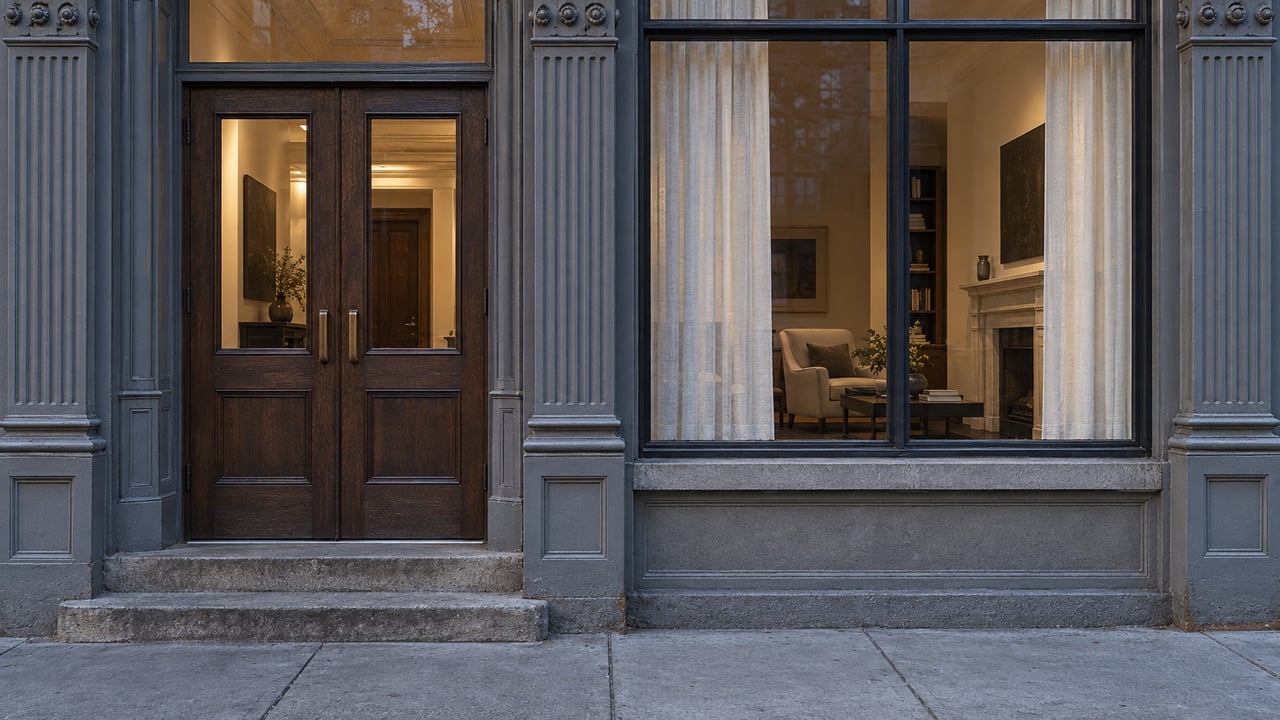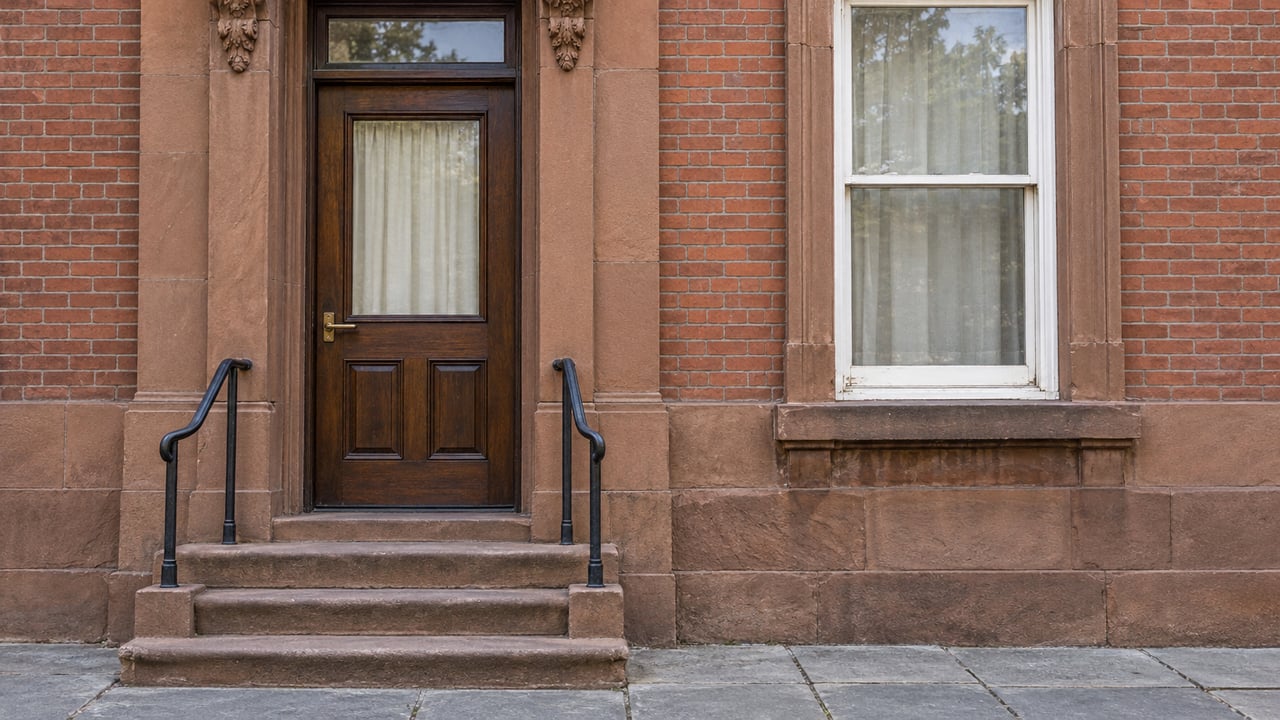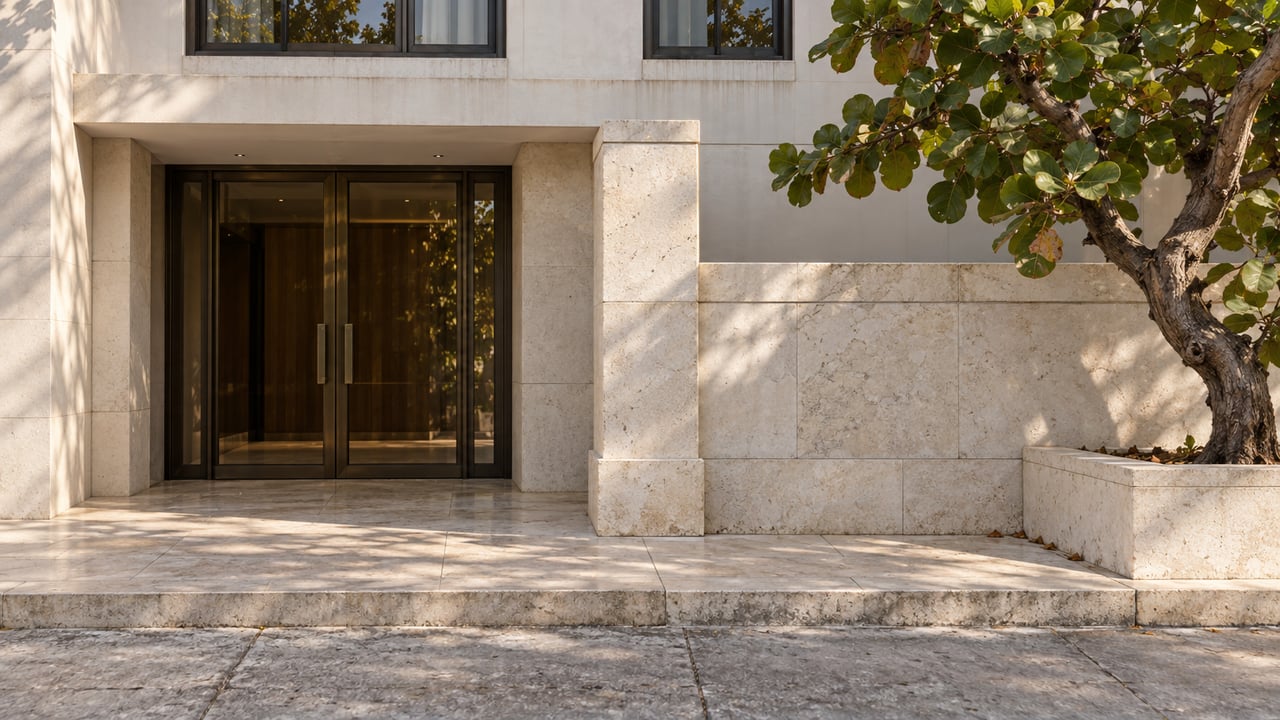
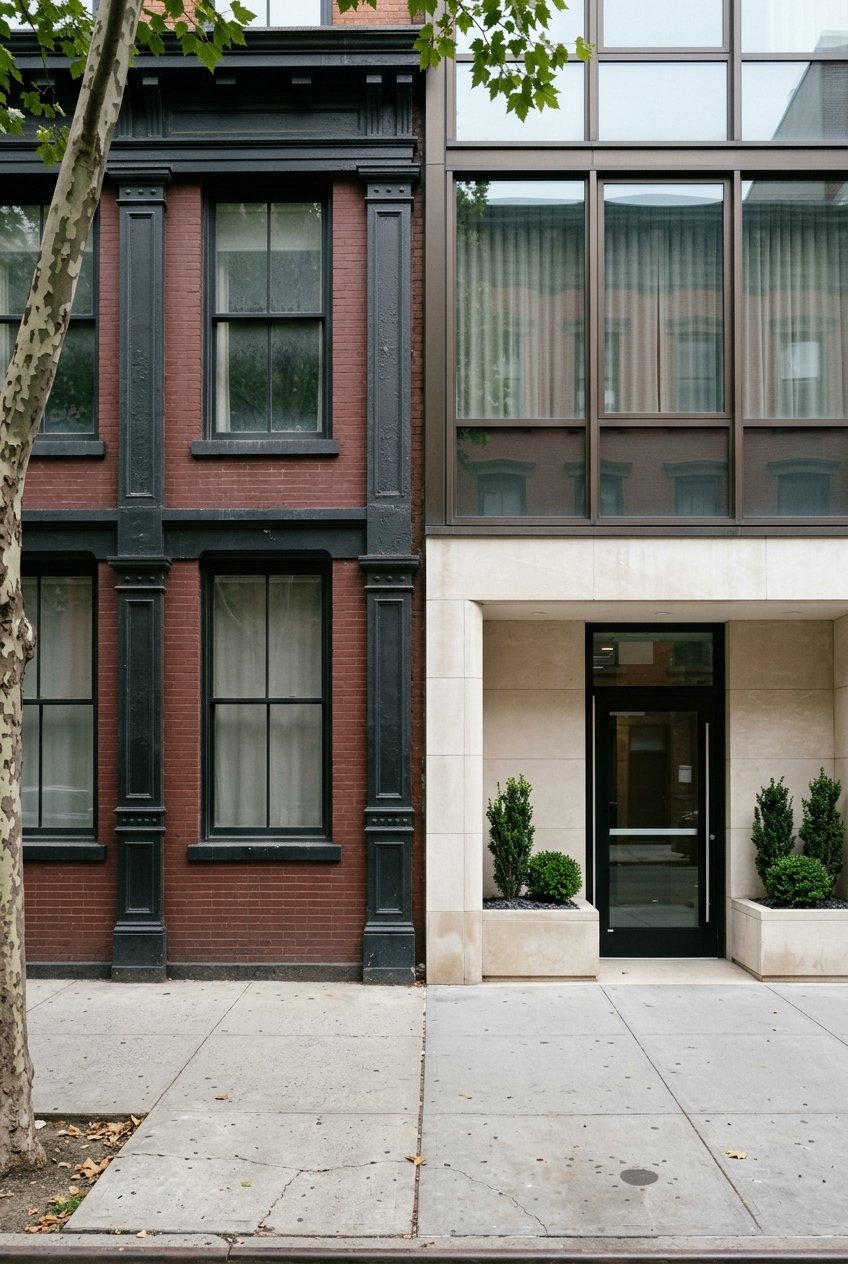
If you are weighing a sleek new condo against a classic Tribeca loft conversion, you are asking one of the smartest questions in this market. In Tribeca, the choice is rarely just about style. It usually comes down to how you want to live, what level of building complexity you can tolerate, and how you want to balance monthly costs, character, and convenience. Let’s break it down.
Why Tribeca offers both options
Tribeca has both new condos and loft conversions because the neighborhood evolved in layers. Its industrial past left behind warehouse buildings with large floor plates, and later zoning and conversion rules allowed residential use while preserving room for mixed uses.
That history still shapes what you can buy today. Much of Tribeca sits within historic districts, where many exterior changes are reviewed by the Landmarks Preservation Commission. Some commercial-to-residential conversions may also fall under Loft Board rules, which adds another reason the housing stock remains varied rather than uniform.
New development also tends to arrive in small batches here. Recent examples include 14 White Street with 9 residences, 30 Warren Street with 23 residences, and Iris Tribeca with 24 residences. In other words, Tribeca is not a large-tower new development market. It is a neighborhood where limited new supply sits alongside converted warehouse buildings and loft-style homes.
How pricing compares in Tribeca
Tribeca remains one of Manhattan’s most expensive neighborhoods, and sales volume can be relatively thin month to month. Recent median sale price snapshots cluster in the mid-$3 million range, with reported medians of $3.4 million to $3.675 million and median price per square foot figures around $1,786 to $1,840.
That gives you important context, but it does not mean every new condo is priced above every loft conversion. Building-level examples show a much wider spread. At 30 Warren Street, a current two-bedroom asking price works out to about $2,273 per square foot, while active listings at Iris Tribeca average about $2,964 per square foot.
On the loft-conversion side, active pricing at Artisan Lofts averages about $3,206 per square foot, while recent sales at 10 Leonard Street were closer to $1,686 per square foot. A recent sale at Cobblestone Lofts closed around $1,638 per square foot. The takeaway is simple: product type matters, but it is not the whole pricing story.
What drives price beyond old versus new
In Tribeca, pricing is heavily shaped by apartment-specific factors. Unit size, ceiling height, renovation level, view corridor, service level, and the number of direct comparables can all move value meaningfully.
That is especially true in a neighborhood where many homes are unique. A loft with exceptional scale and light may outperform a newer unit on a price-per-square-foot basis. A new condo with strong services and turnkey finishes may attract buyers who are willing to pay for predictability and ease.
What you are really buying with a new condo
A new condo in Tribeca often appeals to buyers who want a more turnkey ownership experience. These buildings tend to offer newer systems, a cleaner maintenance profile at move-in, and amenities that reduce day-to-day friction.
At 30 Warren Street, for example, amenities include a part-time doorman, fitness center, and children’s playroom. Iris Tribeca offers a fitness center, private lounge, and courtyard. If you value convenience, service, and fewer immediate renovation questions, that package can be compelling.
Pros of Tribeca new condos
- Newer building systems from day one
- Often more turnkey finishes
- Amenity packages may include fitness, lounge, playroom, or attended service
- Condo ownership structure is deeded
- Often simpler for buyers who want a more straightforward resale framework
Tradeoffs of Tribeca new condos
- Limited supply in the neighborhood
- Pricing can be strong relative to size
- Monthly common charges can still be substantial
- Newer product may offer less of the original warehouse character many buyers associate with Tribeca
What you are really buying with a loft conversion
A loft conversion usually attracts buyers who care deeply about volume, light, and architectural character. Tribeca’s former warehouse buildings can deliver some of the largest living spaces in Manhattan, along with features like keyed elevator access, expansive proportions, and historic industrial bones.
That sense of scale is a major reason many buyers focus on lofts first. If you are upsizing or want more flexible room layouts, a conversion can offer a type of space that is hard to recreate in a small boutique new building.
Pros of Tribeca loft conversions
- Often larger room volumes and more flexible layouts
- Strong architectural character and warehouse provenance
- Frequently located on quiet cobblestone blocks and within Tribeca’s historic streetscape
- Can offer highly distinctive floor plans with fewer direct comparables
Tradeoffs of Tribeca loft conversions
- Due diligence is often more involved
- Building age and prior commercial use can matter
- Exterior work in historic districts may face more review
- Some loft buildings are co-ops rather than condos, which changes ownership structure and monthly charges
Monthly costs can be meaningful in both
One of the biggest mistakes buyers make is assuming newer automatically means lower carrying costs. In Tribeca, monthly carry can be material in both new and converted buildings.
Current examples make that clear. At 30 Warren Street #3B, common charges are listed at $1,824 per month. At 28 Laight Street #3B, common charges are listed at $3,812 per month. A recent 10 Leonard Street #10C listing showed $2,940 per month in maintenance.
These numbers are not directly comparable because unit sizes and ownership structures differ. Still, they show an important reality: you need to underwrite the full monthly picture, not just the purchase price.
Condo versus co-op matters a lot
In Tribeca, the more strategic split is often condo versus co-op rather than new versus old. That is because loft conversions can fall into either category.
For example, 10 Leonard Street is a co-op, while Artisan Lofts and Cobblestone Lofts are condos. In a condo, you own real property and typically pay common charges. In a co-op, you buy shares in a corporation and pay maintenance based on your share allocation.
That difference affects how buyers evaluate flexibility, fees, and resale strategy. While every building is different, many buyers find condo ownership simpler to analyze in a resale context because of the deeded structure.
Due diligence is different in older buildings
If you are leaning toward a loft conversion, building review matters just as much as apartment review. The New York State Attorney General advises buyers in existing or converted buildings to review the offering plan, board minutes, and financials.
That guidance is especially relevant in Tribeca. In older buildings, major cost items can involve facades, roofs, elevators, plumbing, electrical systems, and boilers. A beautifully renovated apartment may still sit inside a building with broader capital needs, so you want to understand both the unit and the asset around it.
Historic district review can affect future work
Tribeca’s historic character is one of its biggest draws, but it can also shape what owners can change. The Landmarks Preservation Commission reviews most exterior changes in historic districts and evaluates how proposed work affects a building’s architectural and historical character.
For you as a buyer, that does not mean owning in a historic district is a problem. It simply means future plans involving windows, facade work, or additions may be less flexible than in a building outside that framework.
Which option fits your lifestyle best
A new condo often fits best if you want ease, amenities, and a more turnkey path. If your priority is minimizing operational friction and stepping into a home with newer systems and polished finishes, new development can align well.
A loft conversion often fits best if you want scale, character, and a more individualized home. If ceiling height, room volume, and warehouse architecture are high on your list, a conversion may feel far more compelling than a newer boutique building.
The right answer is usually tied to three questions:
- How comfortable are you with higher monthly carry?
- How much renovation or building complexity can you tolerate?
- Do you value turnkey convenience more than architectural character?
A practical way to decide
When buyers compare Tribeca new condos and loft conversions well, they move beyond broad labels and compare real ownership outcomes. That means looking at the apartment, the building, the monthly carry, and the ownership structure together.
A smart comparison usually includes:
- Purchase price
- Price per square foot
- Common charges or maintenance
- Condo versus co-op structure
- Amenity and service level
- Building age and likely capital needs
- Layout efficiency and room volume
- Historic district considerations
In Tribeca, there is no automatic winner. New condos generally offer more predictability and amenities. Loft conversions generally offer more character and often more due-diligence complexity. Your best choice is the one that matches your lifestyle, cost tolerance, and comfort with the details behind the walls.
If you want help comparing a specific Tribeca condo to a loft conversion, working with an advisor who understands resale nuance, building condition, and presentation strategy can save you time and sharpen your decision. For a tailored conversation about Tribeca inventory and what fits your priorities, connect with Devin Hugh Leahy.
FAQs
What is the main difference between a Tribeca new condo and a Tribeca loft conversion?
- A new condo usually offers newer systems, turnkey finishes, and amenities, while a loft conversion often offers more architectural character, larger room volumes, and more building-history complexity.
Are Tribeca loft conversions always less expensive than Tribeca new condos?
- No. Recent examples show that some loft conversions ask or trade at higher price-per-square-foot figures than some new condos, depending on size, condition, views, services, and scarcity.
Do Tribeca loft buildings have higher monthly charges than new condos?
- Not always. Recent examples show meaningful monthly charges in both categories, so you need to compare each property’s actual common charges or maintenance rather than assume one type is cheaper.
Is condo or co-op ownership more important than new versus old in Tribeca?
- In many cases, yes. Since loft conversions can be either condos or co-ops, the ownership structure often has a major impact on monthly charges, review process, and resale strategy.
Why is due diligence so important for Tribeca loft conversions?
- In older or converted buildings, buyers should closely review the offering plan, board minutes, and financials because building-wide costs can involve facades, roofs, elevators, plumbing, electrical systems, and boilers.
Do historic district rules affect Tribeca properties?
- Yes. In Tribeca historic districts, many exterior changes require Landmarks Preservation Commission review, which can affect future plans for windows, facades, or additions.