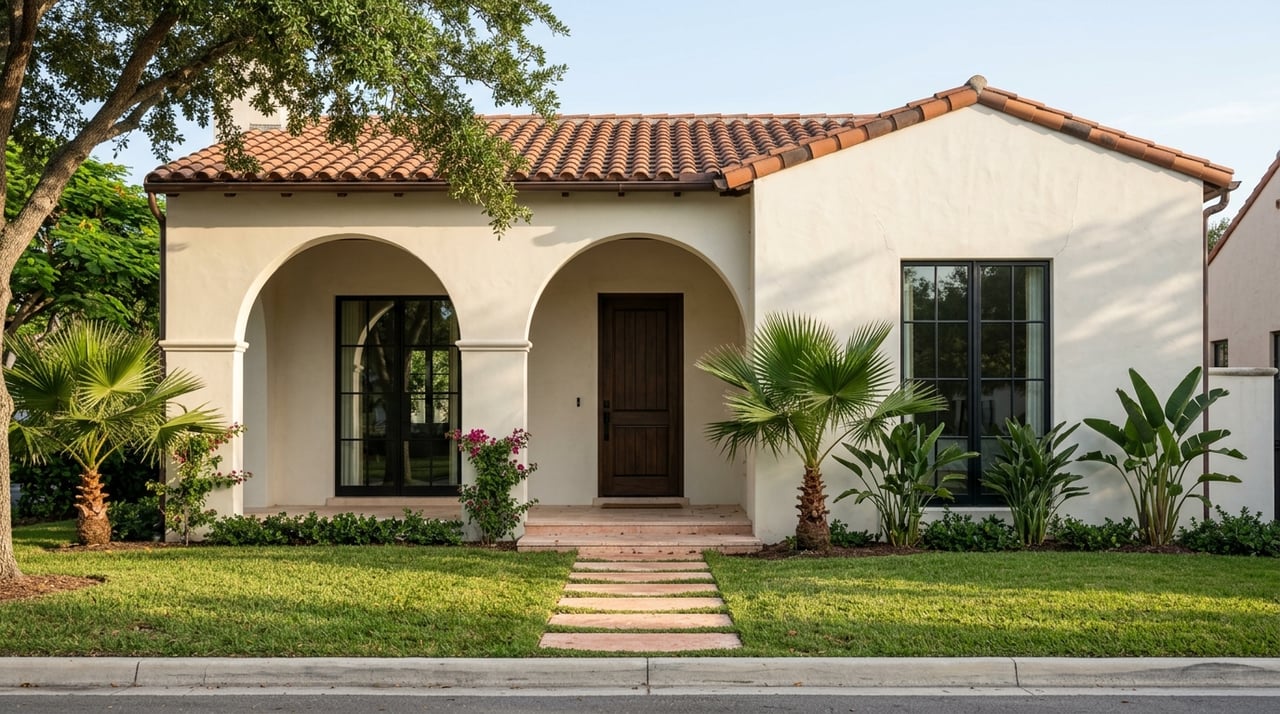
If you are looking at Miami-area real estate with a long view, Coral Gables stands out for reasons that go far beyond curb appeal. This is a market where planning, architecture, trees, and daily convenience all work together in a way that feels unusually durable. Whether you are buying a primary home, a seasonal base, or a property you hope will age gracefully over time, understanding why Coral Gables holds attention can help you make a smarter decision. Let’s dive in.
Coral Gables Starts With Strong Bones
Coral Gables was launched in the early 1920s by George Merrick as a planned community with wide tree-lined avenues, green space, plazas, and Mediterranean and Spanish Revival architecture. City history materials note that the community was mapped out on paper by early 1921. That early framework still shapes how the city looks and feels today.
For you as a buyer, that matters because planned places often age better than places that grew without a clear vision. Many Coral Gables blocks have a visual consistency that is hard to recreate in newer communities. The result is a built environment that feels intentional rather than accidental.
Architecture Is Protected Over Time
One reason Coral Gables has lasting appeal is that the city actively protects its architectural identity. The Board of Architects reviews projects for compatibility with local regulations and traditional aesthetics, including color, materials, fenestration, proportion, and overall order. That level of review helps preserve the character that attracts buyers in the first place.
The city also requires a tree survey and tree protection plan for development and demolition submissions. That signals something important: the streetscape is not treated as a side issue. Trees, shade, and the look of the public realm are part of the city’s long-term value.
For homeowners, this creates a tradeoff. The approval process can add time and structure to renovations, but it also helps protect the qualities that support resale over the years.
Historic Preservation Adds Another Layer
Coral Gables has a strong preservation framework as well. The city’s historic-preservation office handles local designation, certificate-of-appropriateness review, and ad valorem tax-exemption applications for qualifying work. According to city and preservation materials, Coral Gables has more than 200 properties on its local historic register, and its historic district is the only district in the city listed on the National Register.
That level of preservation can support long-term appeal because it limits the kind of change that can erode neighborhood character. If you value a setting that remains visually coherent over time, this is a meaningful advantage.
Variety Within a Curated Setting
Even with its architectural controls, Coral Gables is not one-note. The city’s historic villages include architectural references such as Dutch South African and Chinese motifs. That variety adds personality while still fitting within a carefully managed overall setting.
For buyers, this balance can be especially attractive. You get character and distinctiveness without giving up the sense of order that often supports long-term desirability.
Streetscapes Support Everyday Lifestyle
In Coral Gables, the public realm is part of the product. The city reports more than 41% tree coverage and says it has been recognized as a Tree City USA since 1985. It also reports more than 60 parks and open spaces.
That kind of physical environment can shape how a home lives day to day. Shade, walkability, green space, and attractive boulevards are not just pleasant features. They can broaden a property’s appeal when it is time to sell.
Miracle Mile and Merrick Park Add Staying Power
Miracle Mile is one of the clearest examples of Coral Gables’ street-level appeal. The city describes it as the main street of Coral Gables and a symbol of the city’s character, with outdoor cafés, boutiques, tree-lined medians, wide sidewalks, and regular events. It gives the area a defined center that many residential markets lack.
Nearby, the Shops at Merrick Park add another layer of convenience and lifestyle value. The city describes it as an open-air retail and dining destination with department stores, boutiques, a movie theater, and fitness uses. For many buyers, having these amenities nearby makes the city feel more complete and more usable.
When a market offers more than homes alone, it tends to attract a wider range of future buyers. That can matter if your goal is to own well, not just buy well.
Transit and Access Make Coral Gables Practical
Long-term appeal is not only about beauty. It is also about whether a place works in real life. Coral Gables benefits from strong connections to major Miami hubs while still maintaining its lower-rise residential character.
Miami-Dade reports that the Metrorail system runs through Coral Gables, South Miami, downtown Miami, and Miami International Airport. County planning materials state that two stations serve Coral Gables: University and Douglas Road. For residents who want easier airport access or a smoother connection into the urban core, that is a real advantage.
The Trolley and The Underline Improve Mobility
The free Coral Gables Trolley runs Monday through Saturday and averages more than 1 million passengers per year. It connects Douglas Road station with Merrick Park, Miracle Mile, Ponce de Leon Boulevard, and Flagler Street. That gives residents another practical way to move through the city without relying entirely on a car.
The Underline adds to that connectivity story. Miami-Dade describes it as a multimodal trail along the Metrorail corridor from the Brickell area to Dadeland South, designed to improve access to transportation, healthcare, shopping, businesses, and other daily destinations.
If you are considering Coral Gables as a Miami base, this matters. Good access reduces friction, especially if you split time between cities or want a home that feels connected without sitting in the middle of a high-rise district.
The Market Looks More Durable Than Speculative
Coral Gables has several signs of a mature owner-occupier market. Census QuickFacts lists a 2024 population of 50,379, a median household income of $134,216, a 64.5% owner-occupied housing unit rate, a median owner-occupied home value of $1,089,900, and 73.6% of adults age 25 and over with a bachelor’s degree or higher. These figures suggest depth of demand and a stable resident base.
Recent resale data also points to a market that is active without looking overly driven by short-term churn. In Q4 2025, Miller Samuel reported a Coral Gables single-family median sales price of $1.915 million, with 99 closed sales, 92 days on market, 180 listings, and 5.5 months of supply.
For you, that market profile can be reassuring. It suggests a place where buyers often take a longer view, and where value is tied to enduring qualities rather than quick momentum alone.
Scarcity and Character Still Matter
County land-use materials indicate that Coral Gables remains predominantly low-density residential, with higher-intensity uses concentrated along Ponce de Leon Boulevard and downtown. That pattern helps explain why neighborhood character and scarcity remain so important here.
In simpler terms, there is only so much Coral Gables to go around. When a city limits disorderly change and preserves a recognizable identity, the homes that fit that setting often remain relevant to future buyers.
Renovation Can Add Value, With Guardrails
For buyers who want to improve a home over time, Coral Gables can be appealing. The city’s review framework may add process, but it also helps protect the qualities that can support future resale. Board of Architects approvals, tree protection requirements, and historic-preservation pathways all shape what can be done.
That structure can actually be useful if you approach a purchase with patience and a clear plan. In many cases, thoughtful updates that respect the home’s architecture and the surrounding streetscape are more aligned with the city than dramatic changes that ignore context.
This is one reason Coral Gables often rewards selective renovation. Homes that preserve the canopy, fit the city’s design language, and sit near strong amenities may appeal to a broader buyer pool over time.
Why Long-Term Buyers Keep Coming Back
Coral Gables is best understood as a lifestyle-and-scarcity market. Its appeal comes from preserved architecture, controlled change, mature streetscapes, strong connectivity, and a stable owner-user base. Those are not flashy ingredients, but they are often the ones that last.
If you are choosing where to place long-term capital in South Florida, this kind of durability matters. A home can be beautiful on day one, but what often separates a lasting purchase from a forgettable one is the quality of the setting around it.
For buyers who value character, structure, and a neighborhood that has stayed intentional over decades, Coral Gables continues to make a compelling case. If you are weighing the city as a primary home, seasonal base, or long-term hold, working with an advisor who understands both presentation and long-view value can make the search more strategic. To start that conversation, connect with Devin Hugh Leahy.
FAQs
Why do Coral Gables homes tend to hold appeal over time?
- Coral Gables benefits from a planned-city layout, protected architectural standards, mature tree canopy, strong amenities, and a stable owner-occupied market profile, all of which support long-term desirability.
What makes Coral Gables different from other Miami-area markets?
- Coral Gables combines low-rise residential character with strong access to Miami hubs, while also maintaining formal design review and preservation standards that help protect its visual identity.
Are renovations in Coral Gables possible for homebuyers?
- Yes, but projects often need to follow city review requirements, including Board of Architects standards, tree-related requirements, and in some cases historic-preservation review.
How important are parks and streetscapes in Coral Gables home value?
- They are a meaningful part of the city’s appeal because Coral Gables emphasizes tree canopy, parks, boulevards, and pedestrian-friendly areas as part of its long-term vitality.
Is Coral Gables more of a short-term or long-term market?
- The available data suggests Coral Gables behaves more like a long-term, owner-oriented market than a highly speculative one, with value tied to scarcity, character, and lifestyle quality.