Are your weekends in East Hampton more about beach mornings, gallery afternoons, or long private dinners at home? That question matters more than many buyers expect, because in East Hampton, your routine and your property choice are closely linked. If you are thinking about buying here, it helps to understand how the town’s layout, rules, and lifestyle patterns shape daily life. Let’s dive in.
Why East Hampton Feels Distinct
East Hampton Town sits at the eastern end of Long Island in Suffolk County and includes Amagansett, East Hampton, Montauk, Springs, and Wainscott, along with the incorporated Village of East Hampton. The town describes itself as a roughly 70-square-mile area with waterfront on three sides, which helps explain why water, open space, and access shape so much of the local experience.
The housing picture also gives useful context. Census estimates cited by the town put the population at 29,090, while ACS data show a 77.8% owner-occupied housing rate and a median owner-occupied home value of $1,178,500. In practical terms, this reads as a coastal market where ownership is a major part of the local fabric.
East Hampton also places real emphasis on conservation and low-density character. The town cites 16,530 acres of protected open space and extensive coastline, and its clearing rules are designed to protect harbors, bays, the aquifer, and rural character. For you as a buyer, that means the setting is a major asset, but it also means land use and upkeep deserve close attention.
How Weekends Usually Unfold
Beach Time Drives the Day
For many owners, the weekend starts with the beach. Town beaches are organized by hamlet, and most lifeguarded beaches open on Memorial Day weekend, then move to daily coverage from mid-June through Labor Day, with some extending for two weekends after Labor Day.
In the Village, Main Beach, Georgica Beach, and Two Mile Hollow Beach are the lifeguarded options. Rules matter here. Beach driving requires a Town 4x4 permit, village beaches bar vehicles from 9 a.m. to 6 p.m. from May 15 through September 15, and activities like fires, dogs, and special events are regulated.
If beach access is central to how you want to spend your time, location and logistics should be part of your buying decision from the start. A home that looks ideal on paper can feel very different when you factor in permits, parking patterns, and the rhythm of summer restrictions.
Farm Stands Create a Local Rhythm
East Hampton has a visible farm-to-table culture that shapes a more relaxed weekend routine. Amber Waves operates as a nonprofit teaching farm with an East Hampton Farm Shop, while Balsam Farms in Amagansett offers produce, flowers, dairy, meat, baked goods, and pantry items.
Share the Harvest’s Long Lane stand adds another layer, featuring goods from more than 70 local farmers, bakers, makers, and artisans. EECO Farm also operates on town-owned farmland, with a stand managed by Share the Harvest. For many buyers, this is part of the appeal of a weekend here: errands feel less like errands and more like part of the lifestyle.
Dining and Arts Stay Close By
If your ideal Saturday includes a walkable mix of culture and dining, the village core stands out. Guild Hall, The 1770 House, and The Palm are all on Main Street, creating a compact center that can anchor a full day without much driving.
Guild Hall adds notable cultural depth. It is accredited by the American Alliance of Museums, presents eight to 10 exhibitions annually, and holds 2,700 works in its permanent collection. Nearby, LongHouse Reserve offers a 16-acre sculpture garden, while the Pollock-Krasner House in Springs adds a different kind of art and place-based history.
Three Weekend Lifestyles to Consider
Village-Core Living
If you want your weekends organized around dinner reservations, galleries, and nearby beach access, the village core is an obvious fit. The proximity between Main Street destinations and Main Beach creates a compact pattern that can feel easy and social, especially if you value being able to move through the day with minimal planning.
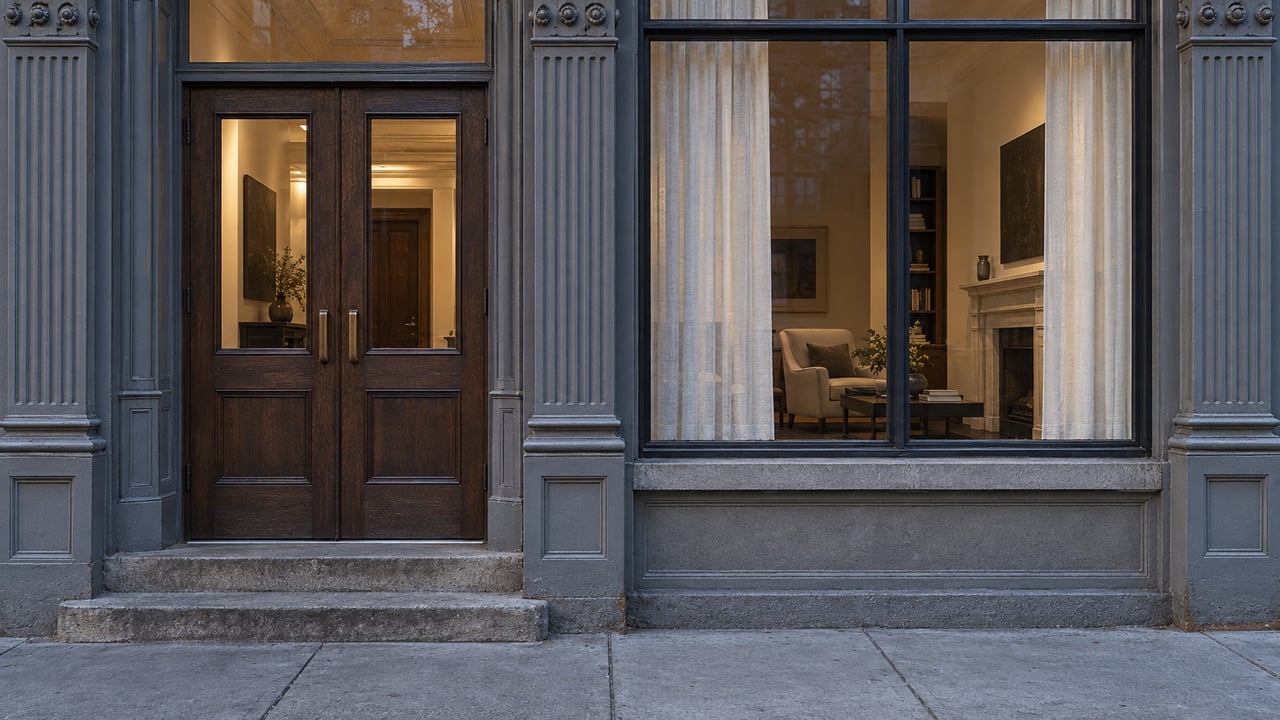
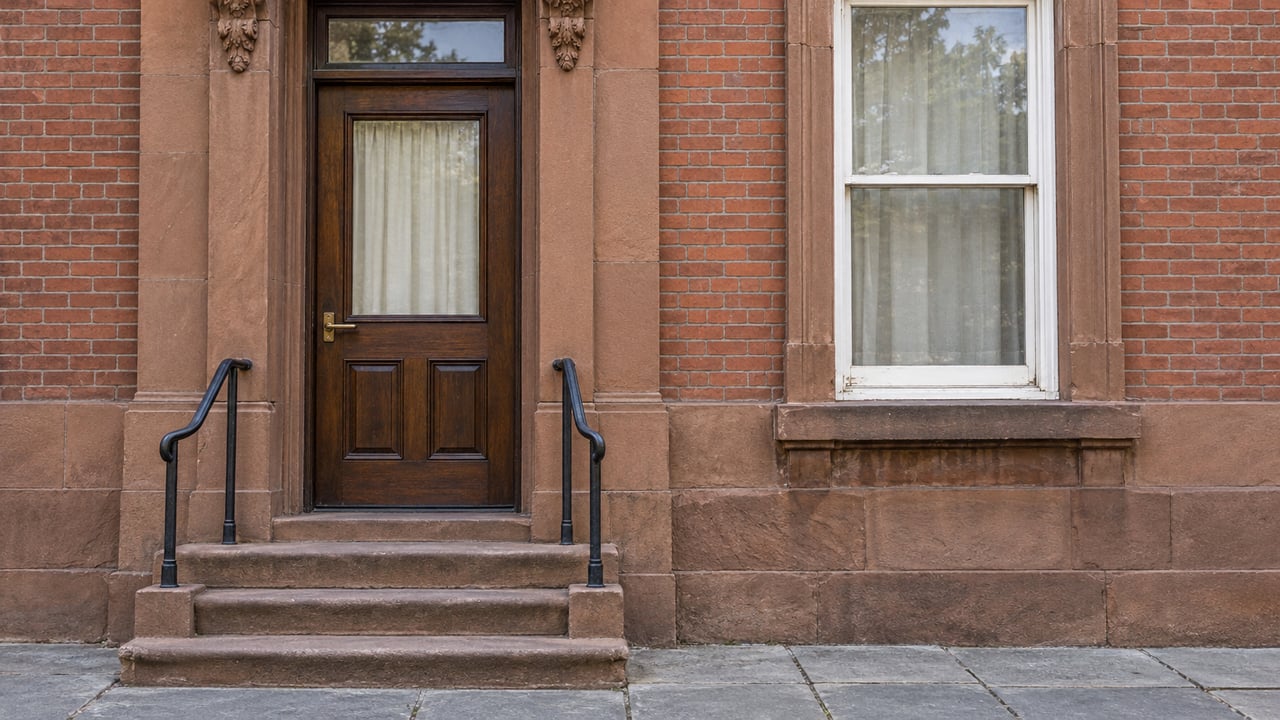
That convenience comes with tradeoffs. East Hampton Village has four historic districts, and owners in those districts need a Certificate of Appropriateness from the Design Review Board before making exterior changes beyond normal maintenance. You may also encounter more traffic and more active parking management than you would on a larger property outside the center.
For some buyers, that trade is well worth it. If you want a polished, classic East Hampton weekend with dining, culture, and beach access close together, in-town living can align well with that goal.
Cottage-Style Weekends
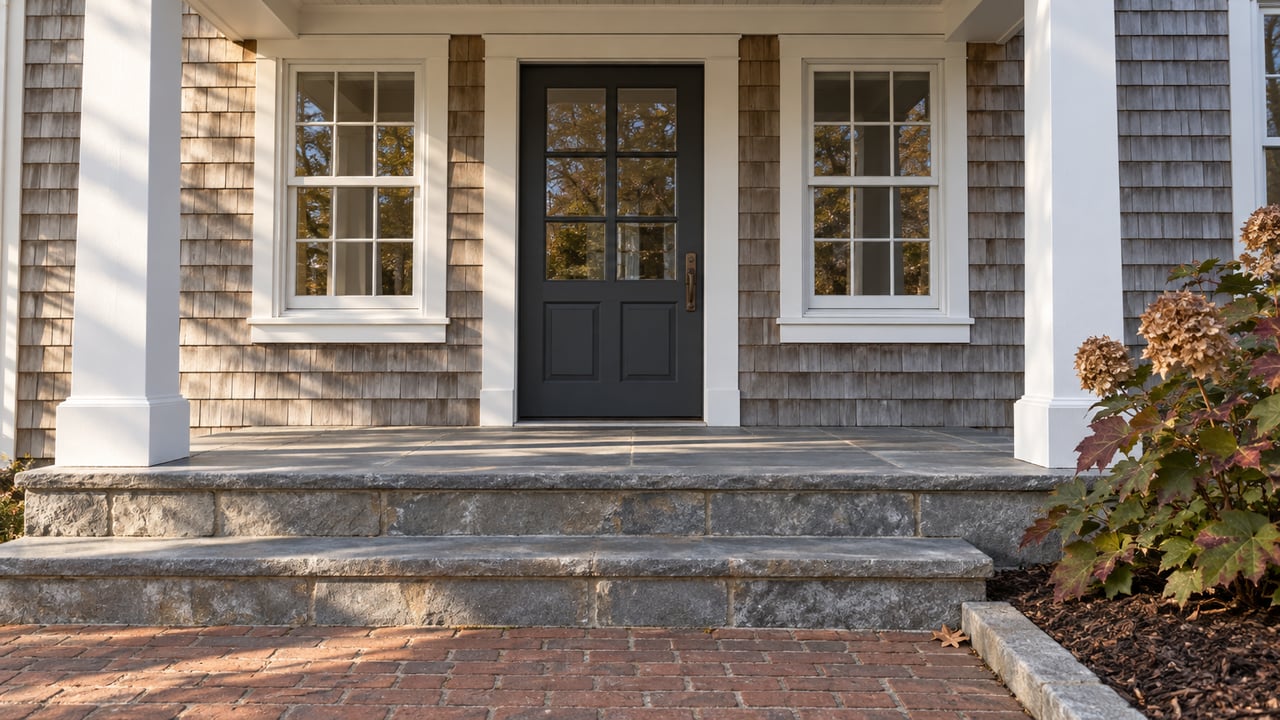
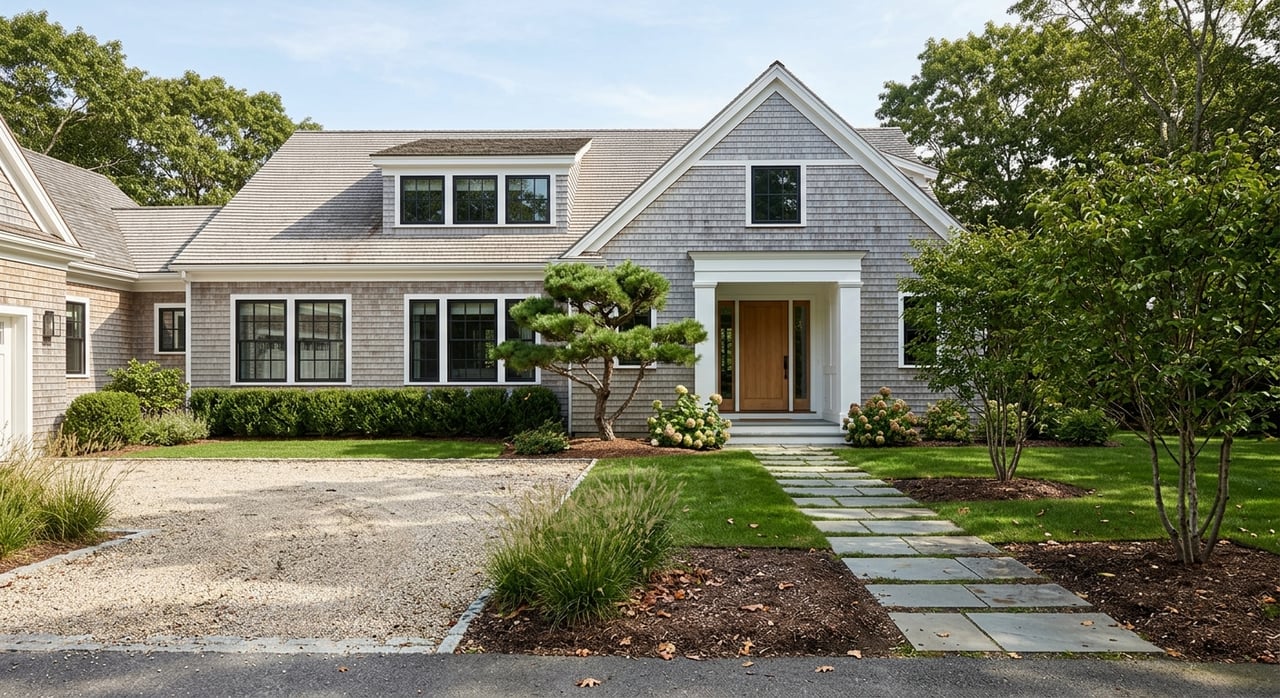
If your ideal escape feels quieter and more local, cottage-style living may be the better match. Springs offers a strong reference point for this way of life, and the Pollock-Krasner House describes its restored 1879 structure as typical of 19th-century farmers’ and fishermen’s homes in Springs.
Amagansett also fits this rhythm. With farm stands like Amber Waves and Balsam Farms shaping the day, the lifestyle can feel more grounded in simple routines and less centered on the village core.
This option often appeals if you want weekends that feel intentionally slower. Instead of planning around the busiest village blocks, you may be choosing a setting that favors local stops, home cooking, and a lower-key atmosphere.
Privacy-First Estates
Some buyers come to East Hampton for space above all else. If privacy, grounds, and separation from the busiest areas matter most, larger estate-style properties may offer the clearest fit.
This is where the town’s protected land really changes the feel of ownership. East Hampton cites 16,530 acres of protected open space, and Grace Estate Preserve alone includes more than 500 acres of water and woods. The result can be a more secluded weekend experience, with the tradeoff of fewer walkable amenities.
If you value quiet mornings, larger outdoor areas, and a strong sense of retreat, this model may feel right. But it often asks you to accept more driving and a more hands-on ownership profile.
Practical Factors That Shape Ownership
Getting There and Around
A weekend home works best when access fits your real life. East Hampton Town points residents and visitors to the Long Island Rail Road, Suffolk County bus transit, and the South Fork Commuter Connection, a train-plus-shuttle system for weekday morning and afternoon commutes.
The MTA’s East Hampton Station parking map notes that daily parking is free, while overnight parking is limited. Bus connections include the S92, 10B, and 10C. East Hampton Village also notes that traffic is a recurring issue because the village is an unavoidable route to and from the town’s hamlets.
That means your preferred arrival pattern matters. If you expect to come out often, even a beautiful property should be evaluated through the lens of station access, drive times, and how much weekend traffic you are willing to absorb.
Maintenance, Permits, and Property Changes
In East Hampton, ownership is not only about the house itself. It also includes the rules around what you can change, how you maintain the land, and which local approvals may apply.
Town clearing rules are tied to environmental protection and rural character. The Building Department requires digital submissions, notes updated certificate of occupancy requirements for change of ownership, and reminds owners about rental registry updates. In the Village, permits and historic review may also come into play depending on where the property sits.
If you are considering a guest cottage or similar ancillary space, the town’s 2026 ADU loan pilot may be relevant for eligible lots of at least 15,000 square feet. Even if that specific program is not your focus, it is a reminder that flexible-use property decisions should always be evaluated within local rules.
How to Match the Home to Your Weekend
The best East Hampton purchase is rarely just about style or square footage. It is about how naturally the property supports the way you actually want to spend your time.
A useful framework is to ask yourself a few simple questions:
- Do you want to walk to dining, art, and the beach?
- Do you prefer farm stands, quieter roads, and a more local routine?
- Is privacy your top priority, even if it means fewer nearby amenities?
- How much upkeep are you comfortable taking on?
- Will permits, historic review, or clearing rules affect your plans?
- How important are train access and traffic patterns to your schedule?
When you answer those honestly, your search often becomes much clearer. In East Hampton, two homes at a similar price point can deliver very different experiences depending on setting, access, and regulation.
Choosing With Clarity
East Hampton supports several versions of the weekend escape, all within the same town. You might want a polished village routine, a cottage-style retreat tied to farm stands and a quieter pace, or an estate property built around privacy and land.
The key is knowing that each version comes with its own cadence and responsibilities. When you understand the tradeoffs upfront, you can buy with more confidence and choose a home that fits not just your taste, but your real life.
If you are considering a Hamptons purchase and want a thoughtful, high-touch perspective on lifestyle fit, property presentation, and the details that shape long-term value, connect with Devin Hugh Leahy.
FAQs
What makes East Hampton appealing for weekend homeowners?
- East Hampton offers a mix of beaches, open space, farm stands, dining, and arts, with distinct lifestyle options ranging from village-core convenience to private estate living.
What should you know about East Hampton beach access?
- Beach use depends on local rules, including seasonal lifeguard schedules, permit requirements for beach driving, vehicle restrictions at village beaches, and regulations for dogs, fires, and special events.
What is the difference between Village and hamlet living in East Hampton?
- Village living tends to support a more walkable weekend centered on Main Street and nearby beaches, while hamlet settings like Springs or Amagansett often offer a quieter, more local rhythm.
What should buyers know about East Hampton historic districts?
- In East Hampton Village historic districts, exterior changes beyond normal maintenance require a Certificate of Appropriateness from the Design Review Board.
What ownership issues matter when buying a home in East Hampton?
- Buyers should pay attention to clearing rules, permit requirements, certificate of occupancy updates for change of ownership, rental registry updates, and the ongoing maintenance needs of larger lots.
How do transportation and traffic affect East Hampton weekends?
- East Hampton offers LIRR service, bus transit, and the South Fork Commuter Connection, but village traffic can be a recurring issue because it is a key route to and from several hamlets.