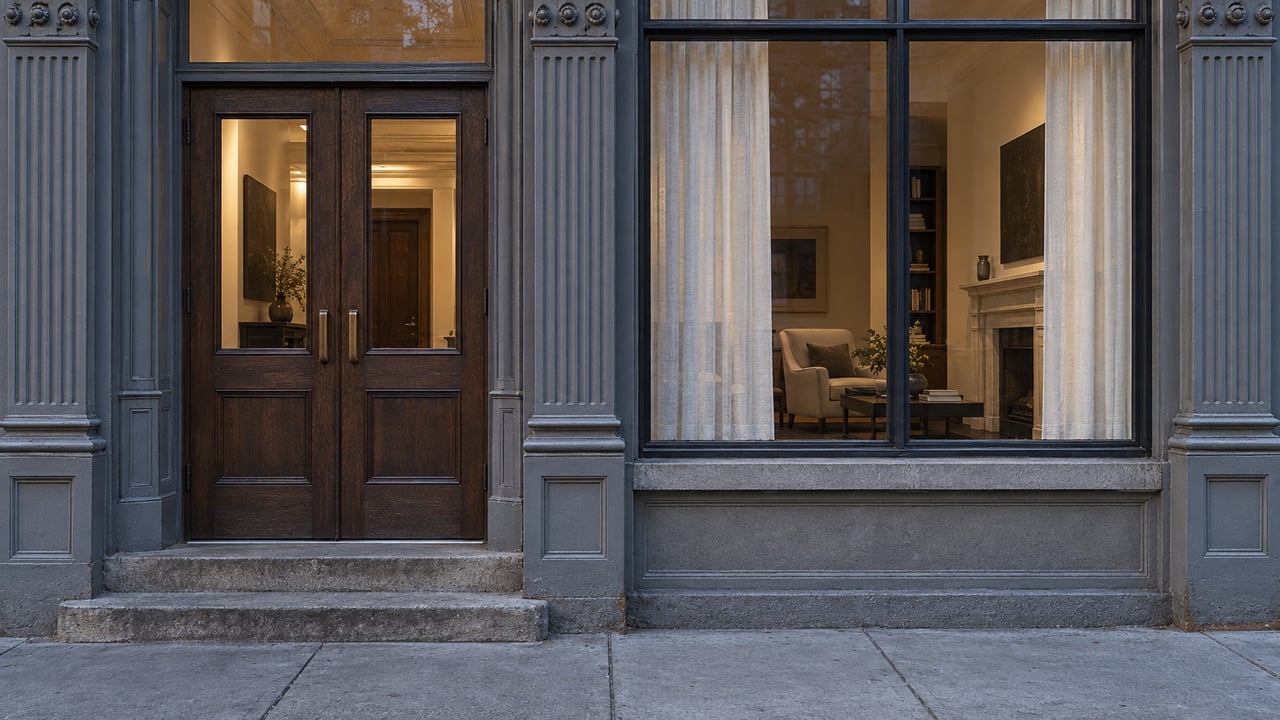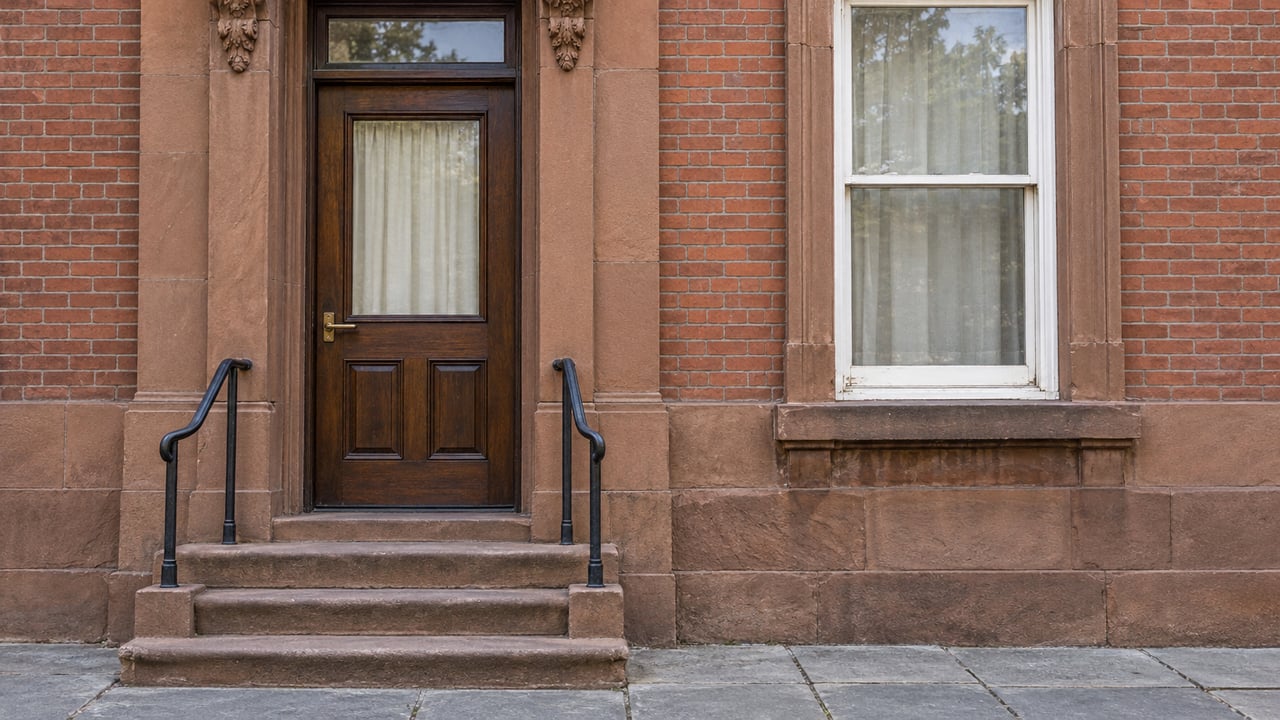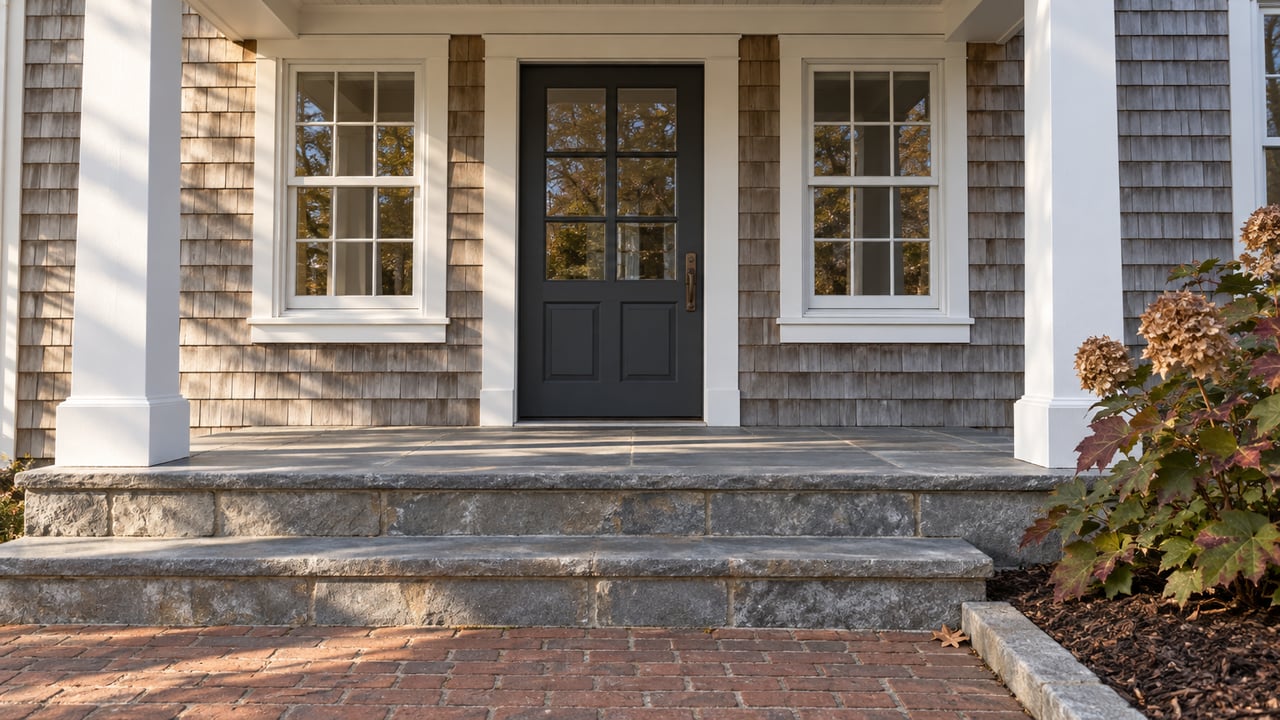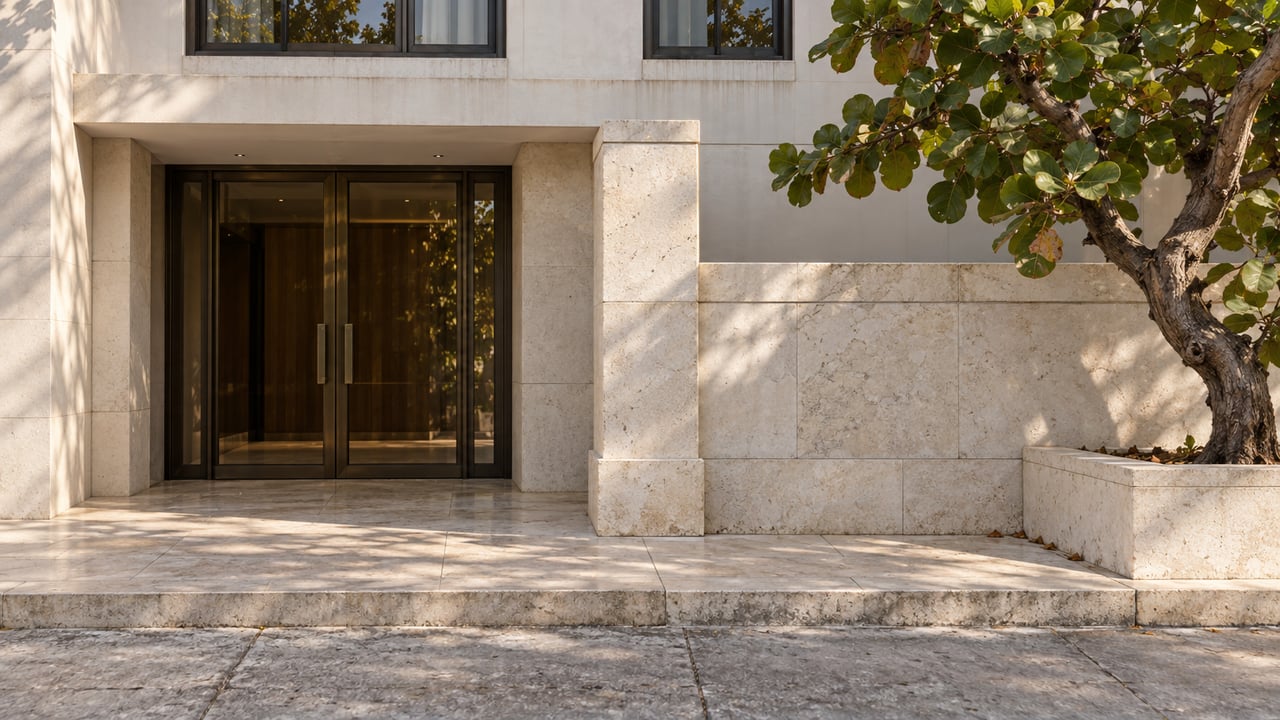
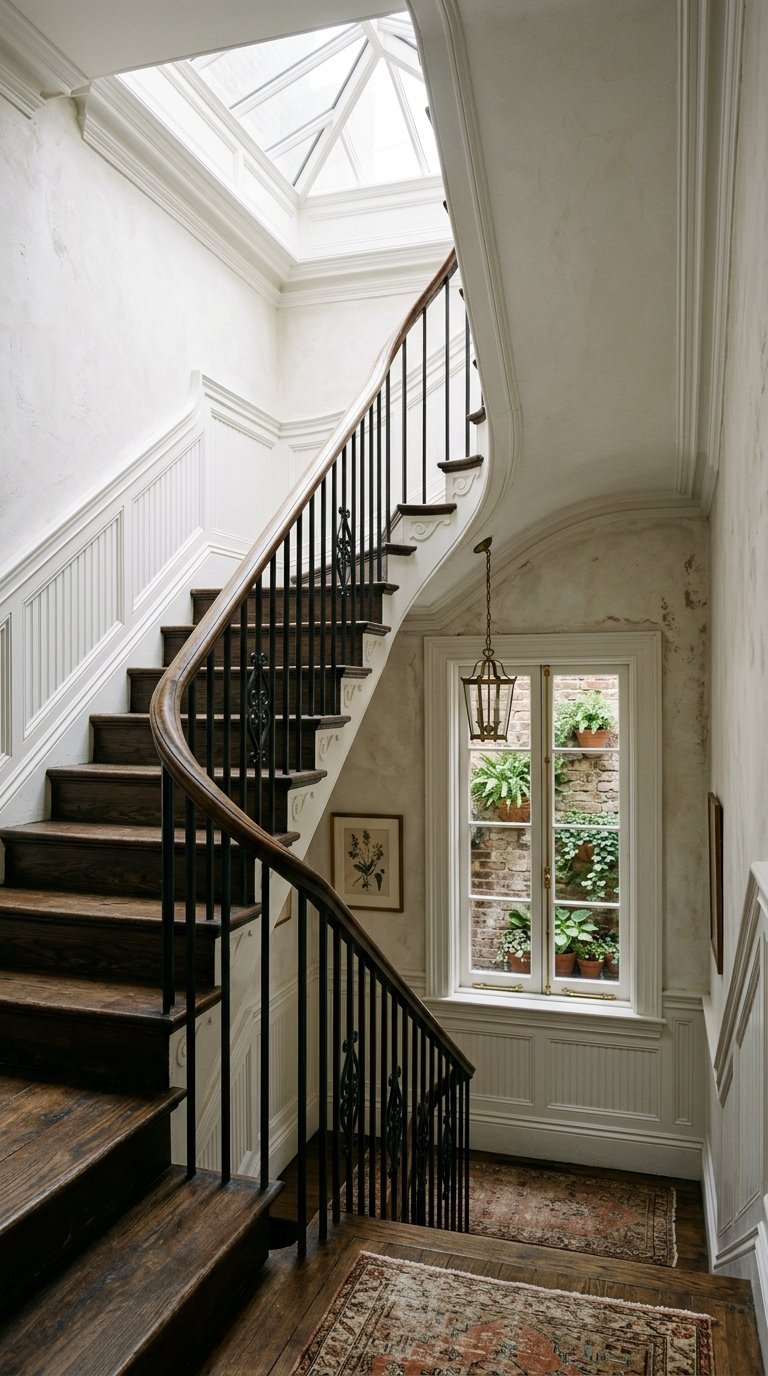
You are not just buying square footage when you buy a West Village townhouse. You are buying into a landmarked streetscape, a specific block, and a building whose value can turn on details that are easy to miss at first glance. If you are considering this kind of purchase, it helps to understand how preservation rules, permits, and property type shape both lifestyle and long-term value. Let’s dive in.
Why West Village townhouses trade differently
A West Village townhouse is often valued more like a one-of-one asset than a standard single-family home. In this part of Manhattan, lot width, light, outdoor space, condition, and the legality of prior work can matter just as much as the total interior size.
That is especially true because much of the neighborhood sits within historic districts. The Landmarks Preservation Commission maps show the Greenwich Village Historic District and its extensions, and the City Planning Commission has said the Far West Village extension was intended to preserve the area’s low- and medium-scale character.
This context affects how buyers evaluate value. Two houses with similar facades can have very different pricing stories if one has clean approvals, documented upgrades, and well-planned outdoor space while the other has unresolved compliance issues or work that does not align with the preservation framework.
Start with landmark status
Before you focus on finishes or layout changes, confirm whether the townhouse is an individual landmark or located within a historic district. In the West Village, that question is central because it shapes what kinds of exterior work may require review.
According to the Landmarks Preservation Commission, most exterior changes to an individual landmark or a building in a historic district require approval. That can include work affecting exterior areas that are not visible from the street, and DOB self-certification does not remove the LPC requirement.
For you as a buyer, that means renovation plans should begin with compliance, not mood boards. If you are imagining a new rear addition, replacement windows, a roof deck, a revised stoop, or visible mechanical equipment, those ideas need to be tested against LPC rules early.
Exterior changes to flag early
Some of the most common value-driving features in a townhouse are also the features most likely to trigger review.
Key examples include:
- Roof decks and roof elements
- Rear-yard additions
- Window and door changes
- Stoop modifications
- Terraces and garden structures
- Visible HVAC or other mechanical penetrations
LPC now handles applications through Portico. Work that conforms to LPC rules may be approved at the staff level, while non-conforming proposals can move to a public hearing.
Understand what may not need a permit
Not every repair becomes a major approval process. LPC says ordinary maintenance such as repainting in kind, caulking windows and doors, or replacing broken glass generally does not require a permit.
That said, buyers should be careful not to assume that simple-looking work was automatically exempt. A townhouse can look polished in photos while still carrying a paper trail that needs closer review.
LPC also distinguishes temporary emergency protection from permanent repairs. Temporary boarding, tarps or protective coverings, in-kind glass and hardware replacement, and in-kind gutter or leader replacement can be used as stopgap measures, but permanent work still goes through the standard approval path.
Match the house to the paper trail
One of the most important steps in buying a West Village townhouse is confirming that the physical building and its records line up. This matters for current use, future plans, and resale.
On the Department of Buildings side, alteration projects for 1- and 2-family properties can include enlargements, conversions, egress changes, and work involving plumbing, HVAC, and gas systems. DOB says major alterations generally result in a new or amended Certificate of Occupancy, while electrical work requires a separate electrical permit and a licensed electrical contractor.
In practical terms, you want to know whether the townhouse you are touring matches its approvals and occupancy history. If a lower level was reworked, systems were upgraded, or the layout changed over time, the question is not just whether the result looks attractive. The question is whether the documentation supports it.
Due diligence questions worth asking
As you evaluate a townhouse, focus on a few core areas:
- Is the building in a historic district or individually landmarked?
- Were exterior changes reviewed and approved where required?
- Does the current layout align with the building records?
- Were system upgrades, including electrical, plumbing, HVAC, or gas work, properly handled?
- Is there a current or amended Certificate of Occupancy if major alterations were completed?
For many buyers, a preservation-aware architect or expeditor is a smart early resource, especially if exterior work or mechanical changes are part of the plan.
Outdoor space adds value, but also complexity
Outdoor space is one of the strongest lifestyle and pricing drivers in a West Village townhouse. A garden, terrace, or roof area can make a house feel notably more expansive in a dense Manhattan setting.
It is also one of the easiest areas to underestimate during due diligence. LPC treats exterior work broadly, including projects affecting parts of the building that are not visible from the street, so changes involving gardens, terraces, roof elements, windows, or doors can all trigger review.
If outdoor space is part of your reason for buying, take a close look at what already exists versus what you hope to create. A beautifully staged garden is one thing. A future plan for new structures, enclosures, or expanded use is another.
Attached-house realities matter
Many West Village townhouses are attached buildings, meaning they sit in a row of abutting structures. DOB defines an attached building as one that abuts two side lot lines or sits in a row of abutting buildings.
That condition shapes everyday living and renovation potential. Side-wall limitations can affect light, privacy, mechanical routing, and expansion options in ways that are very different from a detached property.
This is why block-by-block analysis matters so much in the West Village. The same lot dimensions can feel very different depending on neighboring buildings, rear exposure, and how previous work was executed.
Property class can affect carrying costs
A West Village address alone does not tell you everything about ownership costs. Property type matters too.
The Department of Finance says Class 1 generally includes most residential properties with up to three units, while Class 2 covers larger residential buildings and Class 4 covers commercial property. On the same block, tax treatment can differ depending on whether a building is a true one-, two-, or three-family townhouse, a condo conversion, or a mixed-use property.
For buyers, this is a reminder to look beyond aesthetics and ask how the building is actually classified. Carrying costs and long-term planning are shaped by the structure of the asset, not just by its curb appeal.
Resale upside is often about quality, not redevelopment
In some markets, buyers look at a property and immediately think about future redevelopment potential. In the West Village, that approach is often limited.
The Far West Village extension report states that transfer of development rights is not permitted from structures within a historic district except individual landmarks. That means future upside is often more tied to condition, legality, systems, design quality, and well-executed improvements than to large redevelopment plays.
For many buyers, that is actually a useful filter. The strongest townhouse opportunities tend to be the ones with a clean compliance story, realistic renovation scope, and thoughtful upgrades that fit the building and the neighborhood.
A smart buying strategy for West Village townhouses
If you are serious about buying in the West Village, it helps to approach the process with both design vision and technical discipline. This is not just a lifestyle purchase. It is also a capital-planning decision.
A practical approach usually looks like this:
- Confirm the preservation context. Identify whether the townhouse is landmarked or located in a historic district.
- Review the existing condition carefully. Look at outdoor space, rear elevations, windows, roof elements, and visible systems.
- Check the records. Make sure the building’s use, alterations, and systems work align with the paper trail.
- Pressure-test your renovation goals. Treat roof decks, additions, and facade-related changes as approval questions from day one.
- Evaluate the asset type. Understand whether the building’s classification may affect taxes and carrying costs.
In a neighborhood like the West Village, a townhouse purchase rewards patience and detail. The houses that hold value best are often the ones where the physical product, approvals, and long-term stewardship all line up.
If you are weighing a West Village townhouse purchase and want a sharper read on value, condition, and renovation fit, Devin Hugh Leahy can help you navigate the process with the kind of local perspective and technical fluency these homes demand.
FAQs
What makes buying a West Village townhouse different from buying another Manhattan property?
- A West Village townhouse is often judged house by house and block by block, with landmark status, outdoor space, lot width, light, condition, and permit history all playing a major role in value.
Do West Village townhouse exterior renovations need LPC approval?
- Often, yes. The Landmarks Preservation Commission says most exterior changes to an individual landmark or a building in a historic district require review, including some work not visible from the street.
Can you add a roof deck or rear addition to a West Village townhouse?
- Possibly, but those features should be treated as permitting and compliance questions first because roof elements, rear-yard additions, and other exterior work may require LPC review.
How do you verify legal work in a West Village townhouse?
- A key step is checking that the physical house matches its building records, including approvals for alterations, systems work, and any needed Certificate of Occupancy updates.
Does property class affect the cost of owning a West Village townhouse?
- Yes. The Department of Finance says different property classes can apply depending on whether the building is a one-, two-, or three-family townhouse, a larger residential property, or mixed use, which can affect carrying costs.
Is outdoor space in a West Village townhouse always straightforward to improve?
- No. Gardens, terraces, roof elements, and window or door changes can all involve LPC review, so buyers should separate existing approved features from future ideas that may require approvals.