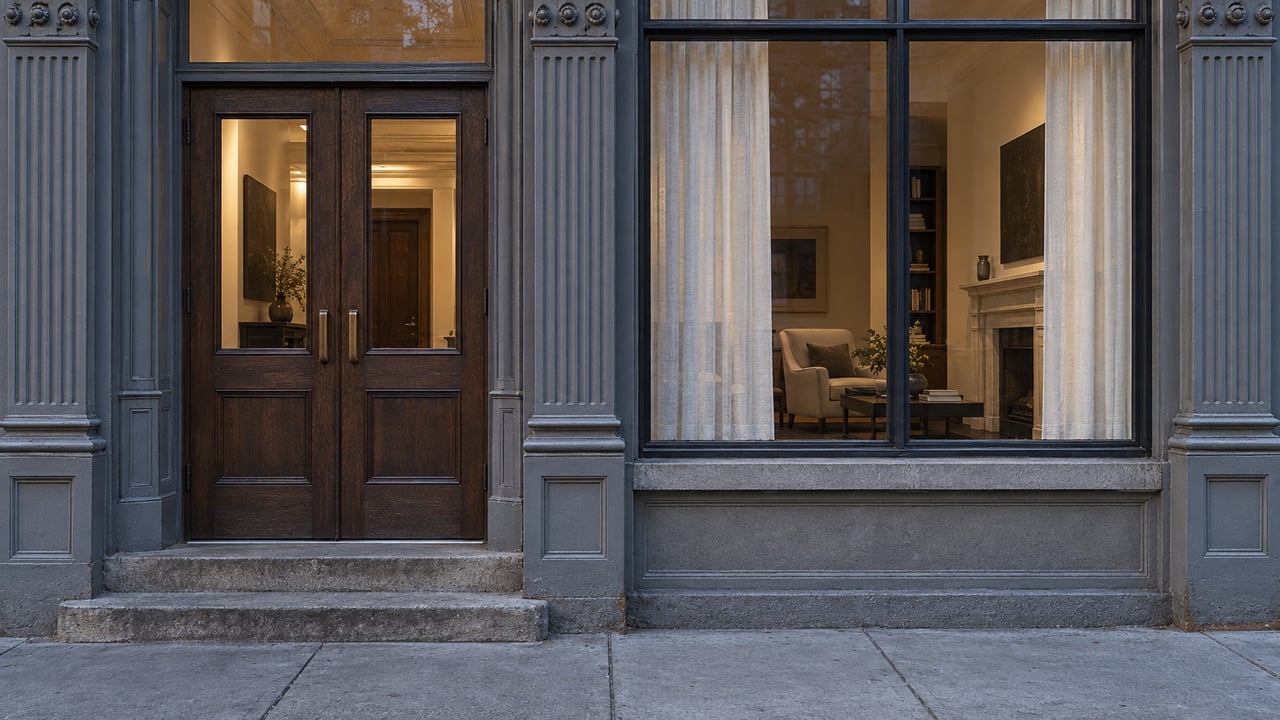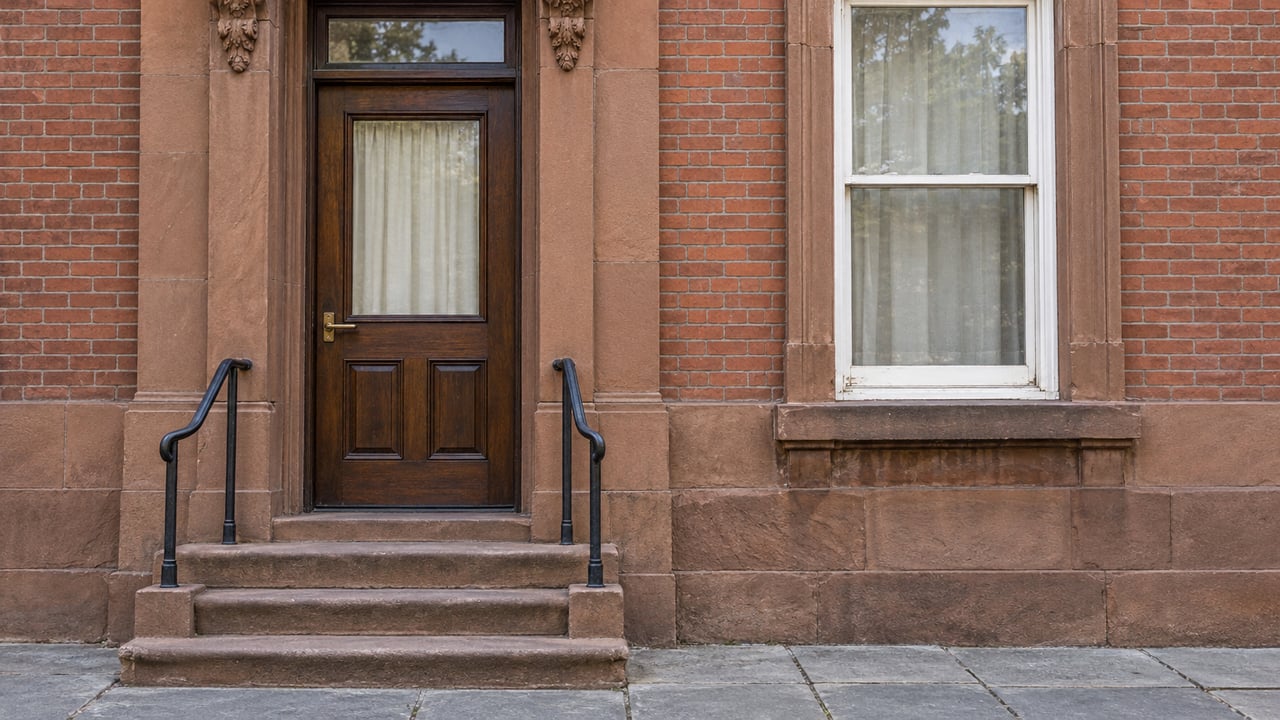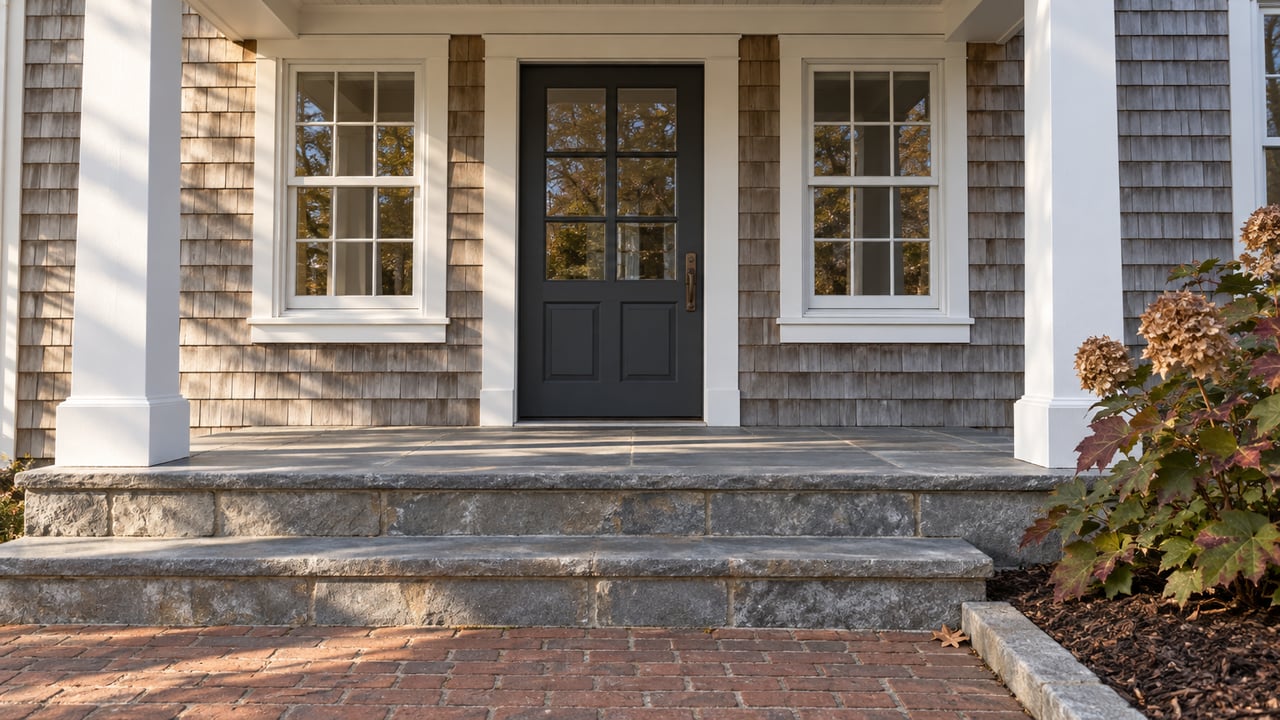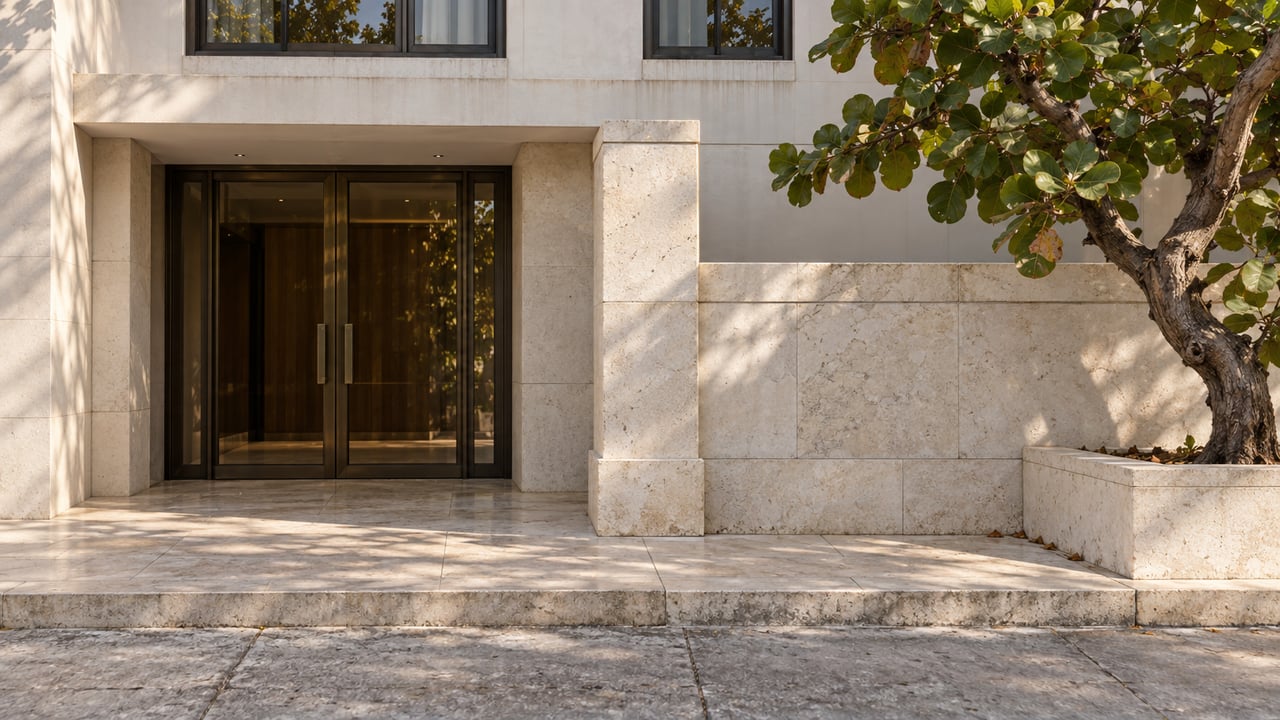
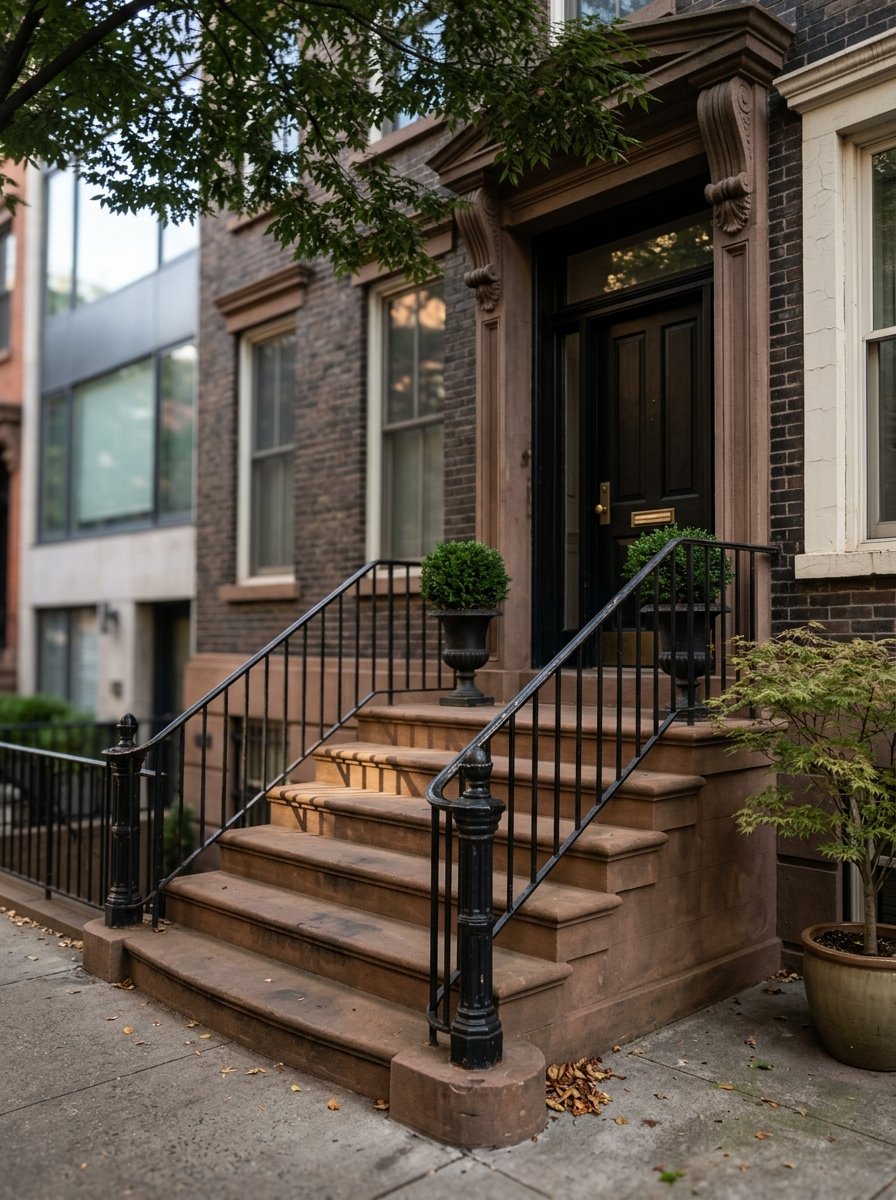
Choosing between a Brooklyn Heights brownstone and a waterfront condo is not just about style. It is about how you want to live every day, what kind of ownership structure fits you best, and how much responsibility you want to take on directly. If you are weighing both options, this guide will help you compare the tradeoffs clearly so you can focus on the home that truly matches your routine, priorities, and long-term plans. Let’s dive in.
Brooklyn Heights offers two distinct lifestyles
Brooklyn Heights packs two very different residential experiences into one neighborhood. According to the Brooklyn Heights Association, the neighborhood stretches from Old Fulton Street to Atlantic Avenue and from Cadman Plaza and Court Street to the Promenade and East River. It also holds a special place in New York City history as the city’s first historic district, designated in 1965.
That setting creates a natural split in housing choice. On the interior blocks, you will find the classic low-rise brownstones and brick row houses that define much of the neighborhood’s historic fabric. Along the western edge, the experience shifts toward the waterfront, where condo living is shaped by open views, larger buildings, and immediate access to Brooklyn Bridge Park.
Brownstones bring historic rowhouse living
If you are drawn to brownstones, you are usually choosing more than a home. You are choosing a form of ownership that is often more hands-on and closely tied to the building itself. In Brooklyn Heights, that matters because many of these homes sit within a historic district.
The New York City Landmarks Preservation Commission says owners of landmarked property must get approval before most exterior alterations and must keep the building in good repair. Its Rowhouse Manual also notes that ordinary exterior repairs and interior work generally do not require review unless the work affects the exterior or another permit is required. In practical terms, that means your renovation timeline and exterior maintenance decisions may involve another layer of review.
What brownstone ownership can feel like
For many buyers, the appeal is clear. Brownstones often offer a more private, street-oriented rhythm than a large shared building. The neighborhood’s interior blocks are known for tree-lined streets, and the Brooklyn Heights Association describes Montague Street as the main shopping corridor, with additional retail and dining on Henry Street.
That combination can make daily life feel rooted in the block itself. You may find that your routine centers more on your front stoop, local shops, nearby playgrounds, and quieter residential streets than on shared amenities or building staff. If you value direct control and the character of a preserved rowhouse block, that can be a strong fit.
What to ask when touring a brownstone
A beautiful façade should not distract from the practical questions. Because exterior work may involve preservation review, it is smart to look closely at both condition and future obligations.
Ask questions like:
- What exterior work has already been completed on the roof, façade, windows, or stoop?
- What future repairs are likely in the near term?
- Which exterior changes would require Landmarks Preservation Commission approval?
- How much hands-on building management are you comfortable taking on?
These questions matter because the ownership experience can extend well beyond the interior layout. In a brownstone, the building itself is often a central part of the decision.
Waterfront condos center on managed living
If brownstones lean toward direct control, waterfront condos often lean toward convenience through shared systems. That does not mean less diligence. It means your due diligence shifts from exterior preservation and building upkeep to the condo’s financial and operational structure.
The New York State Attorney General advises buyers to read the offering plan carefully. The plan must explain common elements, common charges, assessments, board authority, insurance, maintenance and repair responsibilities, and how repairs are divided between owners and the board. It also directs buyers to scrutinize major building components such as the façade, roof, elevators, HVAC, windows, electrical wiring, flooring, and plumbing.
What condo ownership can feel like
For many buyers, the main appeal is a simpler maintenance model. You usually have fewer building tasks to manage personally, since many systems are maintained through the building’s shared structure. The tradeoff is that you take on recurring common charges, possible assessments, and shared governance.
This model can suit buyers who want a more centralized ownership framework. Instead of coordinating every major exterior issue yourself, you are evaluating how the building handles those responsibilities and how costs are allocated across the property.
What to ask when touring a waterfront condo
The best waterfront condo purchase is not just about the view. It is also about understanding how the building functions behind the scenes.
Focus on questions like:
- What do the common charges cover?
- How have assessments been handled?
- Which repairs are the board’s responsibility, and which belong to the unit owner?
- What is the condition of major building systems such as elevators, windows, façade elements, HVAC, and plumbing?
Those details shape your carrying costs and your day-to-day ownership experience just as much as the layout or finish level.
Brooklyn Bridge Park changes the waterfront experience
One of the biggest differences between these two housing types is what surrounds you when you step outside. Brooklyn Bridge Park is an 85-acre waterfront park with rolling hills, riverfront promenades, gardens, and expansive views. That means waterfront condo living often feels connected to a major public open-space destination, not just a residential street.
The park includes lawns, a playground, tree-lined pathways, picnic areas, restrooms, a marina, and a waterfront promenade. If you picture your day starting with a walk along the river, a run with open views, or regular time outdoors near the harbor, that setting can be a major advantage.
Brownstone life typically feels different. Rather than orienting toward the waterfront, it often centers on the interior neighborhood grid and the quieter cadence of rowhouse blocks. Neither is inherently better. The right choice depends on whether you want your routine shaped more by preserved streetscape or by park access and the energy of the waterfront edge.
Transit and circulation matter more than buyers expect
In Brooklyn Heights, your home choice also affects how you move through the neighborhood. Waterfront living may place you closer to the South Brooklyn NYC Ferry route at Atlantic Ave and Brooklyn Bridge Park Pier 6, which connects to waterfront neighborhoods, Midtown, and the Financial District.
Nearby subway access in and around Brooklyn Heights includes Court Street on the R, Borough Hall on the 2, 3, 4, and 5, Clark Street on the 3, and High Street on the A. Depending on the exact address, your walk to transit may feel different from one side of the neighborhood to the other.
Think about your everyday path
When comparing homes, do not just picture the apartment or townhouse. Picture the route out the door. A walk-up brownstone, an elevator condo, a park-adjacent building, or a quieter side street can each create a different experience over time.
It helps to think through practical details such as:
- How often do you use stairs each day?
- Do you prefer elevator access?
- How much foot traffic do you want nearby?
- Do you want your closest outdoor space to be a private-feeling block or a major public park?
- Which transit option best matches your work and social routine?
These are small questions on paper, but they often shape satisfaction more than buyers expect.
Which option fits you best?
The strongest choice is usually the one that matches your maintenance preferences, circulation patterns, and long-term lifestyle. Brownstones often appeal to buyers who want historic fabric, greater direct control, and a quieter residential rhythm. Waterfront condos often appeal to buyers who want immediate park access, simpler building maintenance, and a more centralized ownership structure.
This is less a status decision and more a fit decision. One home type aligns with the preserved rowhouse identity that has long defined Brooklyn Heights. The other aligns with managed building systems and a waterfront routine shaped by one of Brooklyn’s signature public spaces.
If you are deciding between the two, a thoughtful tour strategy can make the answer clearer. Look beyond finishes and staging. Pay attention to ownership structure, exterior obligations, carrying costs, transit patterns, and how the home will actually support your day-to-day life.
For buyers making a nuanced Brooklyn Heights decision, the right guidance can save time and sharpen the search. If you want a clear, tailored point of view on how a brownstone or waterfront condo fits your goals, connect with Devin Hugh Leahy.
FAQs
What is the main difference between Brooklyn Heights brownstones and waterfront condos?
- Brownstones usually offer historic rowhouse living, more direct building responsibility, and a quieter block-oriented setting, while waterfront condos usually offer shared building systems, recurring common charges, and a lifestyle shaped by Brooklyn Bridge Park.
What should you check before buying a Brooklyn Heights brownstone?
- You should ask what exterior work has been completed, what repairs may be coming, and whether future changes to the façade, windows, stoop, or roof may require Landmarks Preservation Commission approval.
What should you review before buying a Brooklyn Heights condo?
- You should review the offering plan carefully to understand common charges, assessments, repair responsibilities, insurance, board authority, and the condition of major building systems.
How does Brooklyn Bridge Park affect waterfront condo living in Brooklyn Heights?
- Brooklyn Bridge Park adds an 85-acre public open-space setting with promenades, lawns, pathways, and harbor views, so daily life may center more on outdoor activity and waterfront circulation.
Is a Brooklyn Heights brownstone or condo better for a quieter lifestyle?
- Interior brownstone blocks often feel quieter and more private because they are low-rise residential streets, while waterfront condos are more connected to the activity and foot traffic around the park and riverfront.
How should you decide between a brownstone and condo in Brooklyn Heights?
- The best choice usually comes down to whether you prefer direct control and historic rowhouse ownership or a managed building structure with shared systems, common charges, and easier access to the waterfront.