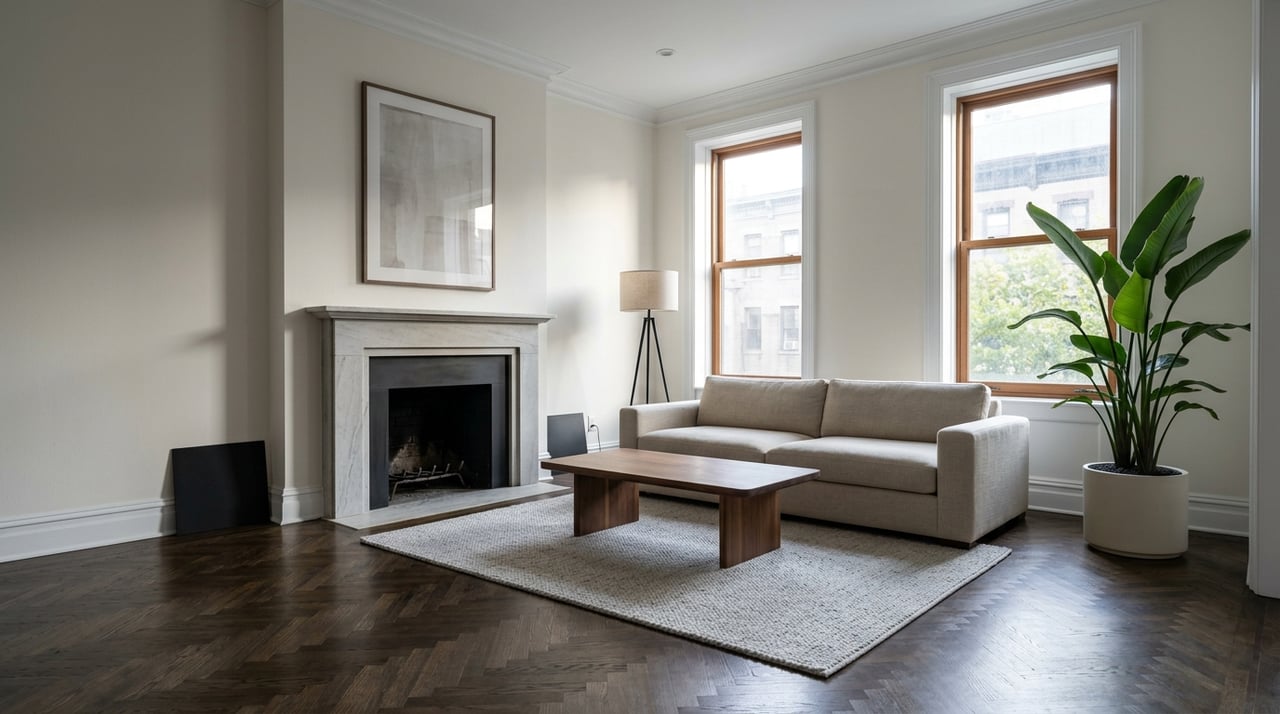
If you are selling a classic Upper West Side prewar, presentation is not a finishing touch. It is often the difference between strong early interest and a listing that lingers. In a market where buyers are comparing co-ops and condos carefully, you want your apartment to feel clear, well cared for, and easy to say yes to. Here is how to prepare your prewar to sell well, without over-renovating or losing the character that makes it special.
Why preparation matters on the Upper West Side
Upper West Side buyers are shopping in a market shaped by classic housing stock, parks, cultural institutions, and a large share of co-op inventory. In March 2026, the median sale price on the Upper West Side was $1.6 million, with a median price per square foot of $1,538 and 125 transactions. Co-ops also outpaced condos in sales volume, 87 to 37, with median prices of $1.3 million for co-ops and $2.4 million for condos.
That context matters when you are getting ready to list. Buyers here often know the housing stock well, and they can spot deferred maintenance, awkward layouts, and cosmetic distractions quickly. A classic prewar does not need to feel new, but it does need to feel easy to understand and close to move-in ready.
Manhattan-wide numbers support that strategy. The Q4 2025 Elliman and Miller Samuel report showed an average 71 days on market for resales and an average 5.2% discount from the last list price. In practical terms, that means stale listings can pay a price, while well-prepared homes have a better chance to capture attention sooner.
Start with what buyers see first
In most classic prewars, buyers react to light, scale, and flow before they notice finer details. Your first job is to make those strengths read clearly from the moment someone enters the apartment. That often starts with simplifying the space, improving brightness, and reducing anything that feels visually heavy.
Fresh paint is one of the most effective places to begin. Guidance for NYC apartment sellers points to bright white walls, skim-coated surfaces where needed, and a more open-feeling presentation that lets buyers focus on the apartment itself. For a prewar home, the goal is not to erase original detail. It is to calm the backdrop so moldings, ceiling height, floors, and room proportions stand out.
Lighting matters just as much. If a room feels dim in person or in photos, buyers may read it as a bigger issue than it really is. Updated fixtures, brighter bulbs, and a cleaner window treatment strategy can help the apartment feel fresher without changing its character.
Declutter without stripping the apartment of charm
A classic Upper West Side prewar often has beautiful detail, but too many personal items can make those details disappear. Buyers should notice the home’s proportions and original features, not feel like they are touring someone else’s storage solution. Decluttering gives each room more breathing room and helps the layout make sense.
This is especially important in entry areas, living rooms, and dining spaces. These rooms shape the first impression and often carry the emotional weight of the showing. If they feel crowded or overly styled, the apartment can seem smaller and less functional than it really is.
Try to edit rather than fully depersonalize. A restrained, tailored look usually works best in prewar homes because it respects the architecture while making the space easier to imagine as your own.
Stage the rooms that influence decisions
Staging is one of the clearest low-risk upgrades before listing. In the National Association of Realtors 2025 staging survey, 83% of buyers’ agents said staging made it easier for buyers to visualize a property as a future home. The most commonly staged rooms were the living room, primary bedroom, and dining room.
For an Upper West Side prewar, that ranking makes a lot of sense. Start with the main entertaining spaces, then the primary bedroom, then the entry sequence. These are the rooms that help buyers understand how the apartment lives day to day and how it may feel to host, relax, or work from home.
Good staging should also support the architecture. In a prewar apartment, that may mean scaled furnishings, fewer small pieces, clearer walking paths, and styling that highlights windows, fireplaces, built-ins, or moldings instead of competing with them.
Focus updates on kitchens and baths
When sellers ask where to spend before listing, the answer is usually not a full renovation. Selective kitchen and bath updates tend to make more sense when your goal is to sell well rather than redesign for yourself. Research on NYC apartment selling consistently points to these rooms as the places where modest improvements can have the most impact.
If you only tackle one room, the kitchen often comes first. A practical refresh may include updated surfaces, a new undermount sink and faucet, painted cabinets, new hardware, and better lighting. National remodeling data also supports the logic of keeping the scope measured, with a minor kitchen remodel recouping 112.9% of cost on average in Zonda’s 2025 Cost vs. Value report.
Bathrooms can benefit from the same mindset. Clean lines, fresh caulk, better lighting, updated hardware, and a crisp paint strategy often do more for buyer perception than an expensive custom overhaul. Buyers want these rooms to feel clean, functional, and visually resolved.
Keep the layout easy to understand
One of the biggest mistakes in prewar resale preparation is asking buyers to solve the apartment for themselves. If the layout is chopped up, overly customized, or photographed in a confusing way, buyers may move on before they appreciate the upside. Clarity almost always outperforms novelty.
That is particularly true with bedroom conversions or multi-use rooms. NYC selling guidance warns that a well-laid-out one-bedroom can sell for more than a chopped-up two-bedroom, and that conversions can backfire when they do not meet legal standards. If your current setup is unconventional, it is worth thinking carefully about whether to simplify it before bringing the apartment to market.
You also want the floor plan and photo sequence to feel straightforward. Missing kitchen or bathroom photos can raise concern, and a hard-to-read layout can make an otherwise attractive home feel like work. Buyers should understand the apartment quickly, both online and in person.
Treat paperwork as part of preparation
On the Upper West Side, especially in co-ops, board readiness is part of selling well. A polished apartment helps open the door, but an organized paper trail helps keep a deal moving once a serious buyer appears. In many cases, sellers benefit from preparing for that process earlier than they expect.
The New York State Attorney General explains that co-op boards must follow the building’s bylaws, proprietary lease, certificate of incorporation, and house rules. It also notes that prospective purchasers should review the annual report before entering a deal. That framework is a reminder that co-op transactions are document-driven, and orderly preparation matters.
A typical NYC co-op board package often includes:
- Net worth statement
- Bank statements
- Tax returns
- Employment verification
- Reference letters
- Government-issued ID
- Signed building acknowledgments
- Insurance proof
- Application fees
While buyers usually assemble the full package, sellers can still prepare by understanding building requirements, organizing relevant building documents, and helping reduce avoidable friction. That has become even more relevant after New York City enacted a co-op application timeline law on January 29, 2026, setting timelines for board decisions on co-op apartment sales.
Condo sellers still need to be organized
Condos are usually less restrictive than co-ops, but they are not paperwork-free. In many condo sales, the board has a right of first refusal, which is commonly waived, though some buildings still ask for their own administrative package. That means sellers should not assume the process will be entirely informal.
Even in a condo, clean records and responsive communication can improve the experience for everyone involved. The easier you make it for a buyer to understand the building and next steps, the more confidence you create around the sale.
Avoid over-renovating before listing
It is easy to overspend when you are trying to maximize value, especially in a design-aware neighborhood like the Upper West Side. But the smartest pre-listing strategy is usually selective and disciplined. Most of the evidence points to modest, photogenic improvements over broad, expensive renovations.
The biggest risk is renovating into a niche result that reflects personal taste more than broad buyer appeal. You may spend heavily without improving your outcome in proportion. In contrast, paint, lighting, staging, layout clarity, and focused kitchen or bath refreshes usually help more buyers connect with the apartment right away.
There is also a timing issue. NYC selling guidance notes that even when renovation does not raise the final sale price, it can still reduce time on market. It also warns that listings lingering around 90 to 100 days can start to look overpriced, which is an important consideration in a Manhattan market where time on market and discounting remain meaningful.
A practical pre-listing checklist
If you want a simple way to prioritize, start here:
- Freshen paint, especially if walls are dark, marked, or visually busy
- Improve lighting in entry, living, dining, kitchen, and bath areas
- Declutter and simplify furniture placement
- Stage the living room, primary bedroom, dining room, and entry sequence
- Refresh kitchen finishes and hardware if needed
- Tidy bathrooms and address obvious cosmetic wear
- Make the layout easy to understand in person and in marketing
- Organize building and board-related paperwork early
For many classic Upper West Side prewars, this is the sweet spot. You preserve the apartment’s original charm while removing the friction that can soften buyer enthusiasm.
Selling a prewar well is not about making it look generic. It is about presenting it with enough clarity, light, and polish that buyers can appreciate what is special about it immediately. With the right preparation, a classic Upper West Side apartment can feel timeless, legible, and ready for its next chapter.
If you are considering a sale and want a thoughtful plan for presentation, staging, and pre-listing improvements, Devin Hugh Leahy can help you position your Upper West Side home with the care and precision it deserves.
FAQs
What should you update before selling an Upper West Side prewar?
- The highest-impact updates are usually fresh paint, improved lighting, decluttering, staging, and selective kitchen or bath refreshes rather than a full renovation.
Does staging help when selling an Upper West Side co-op or condo?
- Yes. NAR’s 2025 staging survey found that 83% of buyers’ agents said staging made it easier for buyers to visualize a property as a future home.
Should you renovate the kitchen before selling a Manhattan prewar apartment?
- Usually, a minor kitchen refresh is more effective than a full gut renovation when the goal is to sell, especially if the existing kitchen is functional but dated.
Why does layout clarity matter when selling a prewar apartment on the Upper West Side?
- Buyers tend to respond better to apartments that are easy to understand, and confusing room use or chopped-up layouts can make a home feel less appealing.
What documents matter in an Upper West Side co-op sale?
- Co-op transactions often involve building rules and board package requirements, which may include financial statements, tax returns, references, ID, insurance proof, and signed building forms.
Are condo sales on the Upper West Side easier than co-op sales?
- Condos are typically less restrictive, but some buildings still require administrative documents, so sellers should still prepare for an organized process.