If you start your morning on a quiet brownstone block with the scent of fresh coffee in the air, you’re already living the West Village rhythm. A few steps take you to a corner café, a small grocer, and a pocket park where dogs greet each other like old friends. By evening, a nearby restaurant row hums with conversation while a tree-lined side street stays calm. If you want to understand that contrast and what it means for your budget, commute, and daily life, you’re in the right place. Let’s dive in.
Where the West Village sits
Locals think of the West Village as the western side of Greenwich Village, framed by the Hudson River to the west and 14th Street to the north. The eastern and southern edges shift by block, with common references to Greenwich, Seventh, or Sixth Avenue and Christopher or Houston Streets. Those flexible borders speak to how the neighborhood actually feels on the ground — intimate and block-specific rather than rigidly drawn (West Village overview).
Morning rhythm: walk-to-everything
The West Village is one of New York’s most walkable areas. You can count on short walks to coffee, groceries, and multiple subway lines, and many residents live without a car because they simply do not need one (Walk Score New York). Tree-lined streets, short blocks, and human-scale buildings encourage quick errands on foot. That walkability shapes your routine more than any single amenity.
Housing type subtly changes your morning. A fifth-floor prewar walk-up means stairs every day, often for a better price per square foot. A newer condo likely adds an elevator and a staffed lobby, which makes grocery runs and stroller life easier but usually costs more in both purchase price and monthly fees.
Daytime mood: boutiques and the waterfront
You’ll find a high concentration of cafés, neighborhood restaurants, and small boutiques clustered along shopping streets. Preservation rules have kept many low-rise, retail-friendly facades intact, so independent shops still feel at home here (Village Preservation context). Daytime foot traffic is lively where retail concentrates and softer just one or two blocks away on residential streets.
When you need green space or a reset, Hudson River Park is a short stroll for most residents. It is a regular choice for runs, bike rides, casual picnics, and sunset views over the water (Hudson River Park overview). On weekends, that waterfront sets the tone — easygoing, a bit slower, and social.
Evenings: lively and quiet, block by block
Nightlife in the West Village is cluster-based. Corridors near Bleecker, the Meatpacking edge, and restaurant blocks draw late-night energy. If your windows face a busy corridor or a bar, expect more ambient sound. Half a block away on a townhouse street, it can be surprisingly calm.
Transit and cultural touchpoints add to the draw. The MTA’s co-naming of the Christopher Street–Stonewall station underscores both accessibility and the neighborhood’s historic significance (MTA station renaming). Your experience after dark depends on micro-location, building insulation, and whether your home faces the street or a courtyard.
What “home” looks like here
You will see a mix that feels classically Village with modern notes.
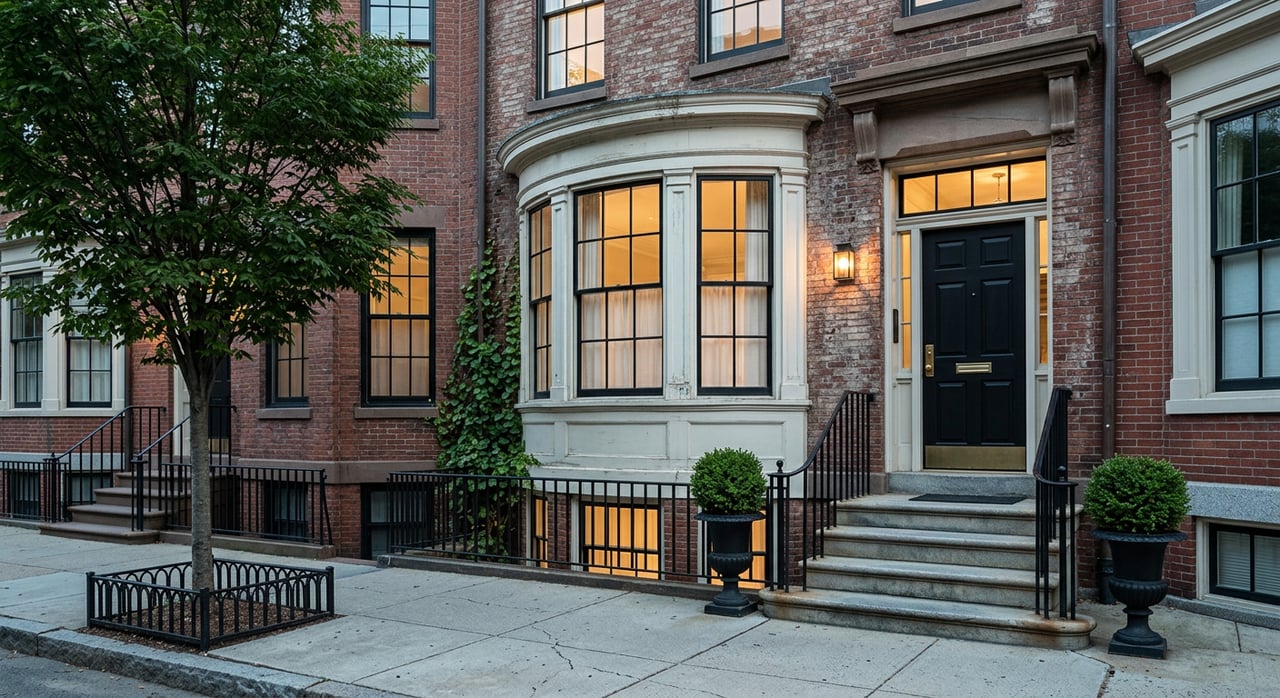
- Historic townhouses and brownstones. Narrow, low-rise buildings with stoops and occasional small gardens define many residential blocks. Many are walk-ups and light on amenities, which is part of the charm (West Village overview).
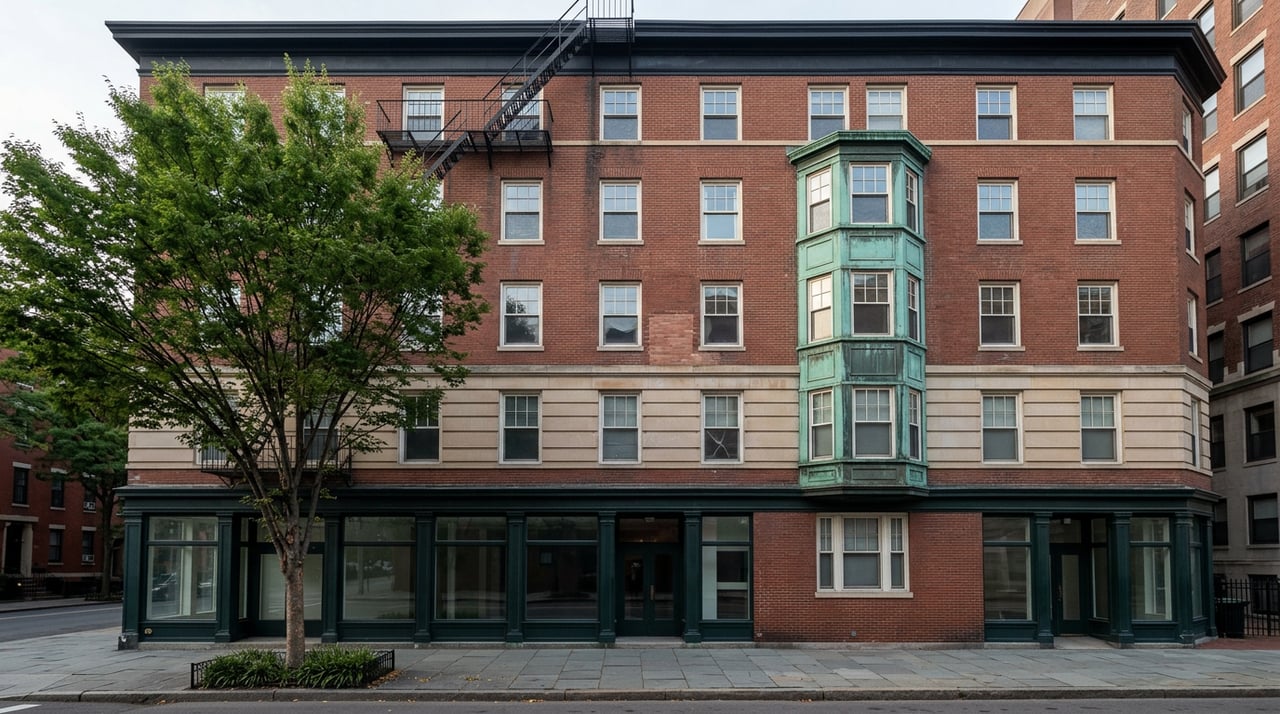
- Prewar co-ops and elevator buildings. These are common across the Village and support a large share of sales each year. Layouts vary widely, and monthly maintenance often includes the building’s property taxes.
- Condos and newer developments. You’ll find riverfront conversions and boutique projects offering amenities like doormen, gyms, and terraces. These homes usually command higher prices per square foot and separate common charges from property taxes.
Co-op vs. condo realities you feel day to day
Co-ops and condos work differently, and those differences shape your timeline, budget, and flexibility.
- Approvals and process. Co-ops typically require a full financial package and a board interview. Approvals are discretionary and can add time to your purchase. Condos are more transactional and often faster to close (NYC buyer guides).
- Down payments and monthly costs. Co-ops often ask for larger down payments and wrap taxes into monthly maintenance. Condos separate property taxes from common charges, which changes your monthly cash flow math (NYC buyer guides).
- Flexibility. Co-ops may limit subletting and renovations more than condos. Condos usually allow more flexibility but at a higher price point.
Budgets and market anchors
Prices in the West Village sit at the high end of Manhattan. Recent transactional snapshots show a median sale price around the low to mid millions and a median price per square foot above the two-thousand mark. For example, January 2026 reporting showed a median sale price near $1.6 million and about $2,100 per square foot, with condos trending higher and co-ops lower (West Village market trends).
Rents track higher than the city average. Neighborhood averages have been in the low to mid $6,000s per month, with real pricing shifting by building, floor, light, layout, and amenities (West Village rent trends).
What those anchors feel like on the ground:
- Entry points. A compact studio or one-bedroom in an older walk-up often sits at the lower end for the neighborhood. You trade stairs and fewer amenities for a classic block and a central location.
- Mid-market Village. A renovated one or two-bedroom co-op in a prewar elevator building typically offers more ease of living at a middle price band for the neighborhood.
- Top tier. Newer condos with full-service amenities, larger two and three-bedroom layouts, and townhouses push into the multi-million range. Outdoor space, views, and privacy drive sizable premiums (West Village market trends).
Everyday trade-offs to weigh
- Price and size. You often pay for location, charm, and walkability rather than raw square footage. Many buyers accept smaller closets and compact kitchens in exchange for a Village address.
- Quiet streets vs. convenience. A half block can change your experience. Interior brownstone blocks are usually quieter. Restaurant corridors and corners near stations feel lively into the evening.
- Old-building quirks vs. modern convenience. Prewar homes can mean stairs, window AC, and the chance of future building assessments. Newer condos simplify life with elevators and central systems, but monthly fees reflect those comforts.
- Co-op control vs. condo flexibility. Co-ops may offer better value but more rules. Condos cost more upfront and monthly but provide latitude for subletting and renovations (NYC buyer guides).
Transit, errands, and car-free living
If you prefer to walk out the door and be where you need to be in five minutes, the West Village will likely fit. Most errands stay within a small radius. Subway access is layered, and crosstown links are straightforward. Many residents choose not to own a car because distances are short and ride-hail or car-share works fine for the rare trip that needs wheels (Walk Score New York).
Sound, light, and seasonal shifts
Noise varies with micro-location. Homes facing courtyards or on side streets usually feel calmer, while units on commercial corridors hear more street life. Southern and western exposures can bring beautiful afternoon light, especially near the river, but might also add summertime heat if the building lacks central air.
Seasonally, the neighborhood changes in a way you feel. Spring brings stoop flowers and café tables. Summer evenings move outdoors, and the Hudson River Park paths fill with runners and cyclists. Fall is crisp and photogenic. Winter makes the quiet blocks even quieter.
A quick ownership and lifestyle checklist
Use this to test whether the West Village fits your priorities today.
- Walkability is a must-have for your daily routine.
- You are comfortable trading some space for location and charm.
- You value independent shops and restaurants over big-box retail.
- You can manage stairs or you are ready to pay for elevator and amenities.
- You have a plan for co-op approvals or you prefer condo flexibility.
- You understand the current rent or purchase budget ranges and how monthly costs break down (West Village rent trends, West Village market trends).
Final take: who thrives here
If you love human-scale streets, café culture, and the ability to walk almost everywhere, the West Village is hard to beat. It suits buyers and renters who prize character and convenience more than sheer square footage. With careful attention to block, building type, and monthly costs, you can find a home that matches your rhythm — quiet when you want it, lively when you do not mind it.
If you are weighing a move, a grounded view of buildings, boards, and budgets will make the difference. For tailored guidance on specific blocks, buildings, and current pricing, connect with Devin Hugh Leahy. We offer boutique, white-glove strategy backed by deep Manhattan expertise.
FAQs
Is the West Village loud at night?
- It depends on the block. Restaurant corridors and nightlife clusters stay lively, while interior brownstone streets are often much quieter.
What are typical home prices in the West Village?
- Recent reporting shows median sale prices around the low to mid millions and median price per square foot above $2,000, with condos higher and co-ops lower (West Village market trends).
How much do rentals usually cost in the West Village?
- Neighborhood averages have been in the low to mid $6,000s per month, with wide variability by building, layout, and amenities (West Village rent trends).
What types of homes are most common in the West Village?
- You will see historic townhouses and brownstones, prewar co-ops and elevator buildings, and newer condo developments with amenities (West Village overview).
Why does the West Village feel so different from Midtown?
- Preservation has kept much of the area low-rise and human-scale, which supports independent retail and calmer residential blocks (Village Preservation context).
Is transit convenient in the West Village?
- Yes. Multiple subway lines are close by and the area scores very high for walkability, so most daily needs are a short walk away (Walk Score New York).