You want a premium for your South of Fifth condo without turning your life into a show. In SoFi, the right strategy can earn you top dollar quietly, if you calibrate every move to this micro‑market. You will learn how line, view, and finish set price, which pre‑list improvements give you leverage, when to launch for maximum exposure, and how to protect your privacy from start to finish. Let’s dive in.
Why SoFi commands premiums
SoFi is a low‑density, luxury pocket at the tip of Miami Beach. Buyers focus on a tight set of buildings, specific lines, and exact exposures rather than the broader Miami Beach market. That focus rewards precise positioning and presentation.
High‑end demand comes from domestic and international buyers who value lifestyle access, privacy, and turnkey quality. Many use SoFi homes as primary or seasonal residences, and they often expect high service levels and minimal renovation.
Seasonality also matters. Buyer traffic rises in late fall and winter, roughly November through March, when many high‑net‑worth buyers visit Miami. Aligning your launch with this window can bring deeper buyer pools and stronger offers.
Price drivers: line, view, finish
Line and floor position
In SoFi, the unit line sets your vantage point. Lines with direct ocean or full bay vistas typically command the largest premiums. Higher floors reduce street noise and widen sightlines, and corners often earn additional value for dual exposures and privacy.
When valuing, compare within the same building and line first. A mid‑floor ocean line is not interchangeable with an interior line of similar size.
View tiers and value
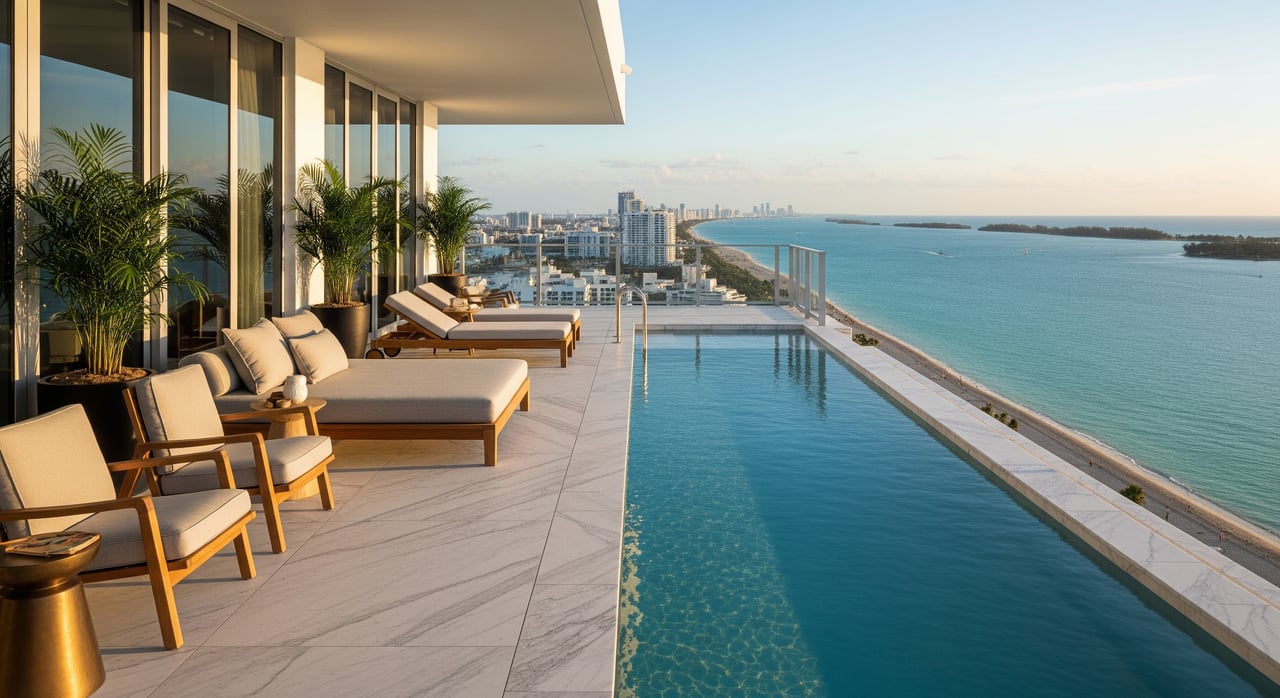
View quality is a major pricing lever. A common hierarchy runs from direct, unobstructed ocean to bay and skyline, then marina, partial water, and finally courtyard or street views. Also weigh the angle of exposure, any obstructions today or planned, and how night views feel. Evening city lights can heighten emotional appeal.
Finish and turnkey condition
Turnkey units sell faster and closer to ask. Buyers expect contemporary kitchens, top‑tier appliances, modern baths, and smart‑home features. If finishes are dated, buyers mentally discount for the time and disruption of work. Targeted updates can bridge that gap and safeguard your price.
Building and HOA health
Amenities and services matter. Private beach access, attentive security and concierge, quality parking, wellness facilities, and privacy features such as private elevators all influence value. HOA financials are critical. Buyers review reserves, meeting minutes, and assessment history, and they adjust price for risk.
Build a SoFi‑specific comp set
Start with the narrowest relevant group. Prioritize same building and same line. If that is not possible, use the closest line with an equivalent exposure in a neighboring SoFi building.
Adjust transparently for floor level, finish quality, terrace size, parking and storage, and any known assessments or capital projects. For trophy units, account for unique design, privacy, and provenance as qualitative factors that can justify a premium.
Pre‑list improvements that pay
High‑impact upgrades
Focus on what buyers see first and what reduces due‑diligence friction:
- Kitchen: refresh cabinetry finish and hardware, add stone counters, update faucets and lighting, and confirm top‑tier appliances.
- Primary bath: replace dated fixtures, renew grout, and upgrade mirrors and lighting.
- Flooring and paint: unify flooring in a neutral palette and repaint with high‑quality, neutral tones.
- Systems and compliance: service HVAC, verify plumbing and electrical, confirm impact windows and doors meet code, and organize service records.
- Small capital items: update fixtures, hardware, closet systems, lighting packages, smart locks, and window treatments.
Targeted cosmetic work often delivers better ROI than a full overhaul. Invest where the perceived value lift will exceed the cost.
Permits and paperwork
Clean documentation moves deals forward. Correct undocumented work, gather permits and contractor invoices, and prepare a concise improvement log. This helps buyers and their advisors underwrite your premium quickly.
Presentation that sells quietly
Professional staging helps buyers imagine life in the space without distractions. Stage principal rooms and the terrace to frame views and light. Keep the palette aspirational and neutral.
Capture the story visually. Combine high‑resolution daytime and twilight photography, plus drone shots that show proximity to beaches, marinas, and parks. Add a measured floor plan, video walkthrough, and a 3D tour for remote buyers who often pre‑screen from afar.
For discretion, house full materials in a password‑protected site or broker portal. Share detailed specs and financials only with vetted parties.
Discretion protocols for SoFi sellers
If privacy is a priority, you can run a quiet process while still reaching the right buyers:
- Start with a pocket release to vetted brokers and qualified clients under NDA. Avoid public signage and open houses.
- Require proof of funds or pre‑approval before showings. Use accompanied, appointment‑only access.
- Coordinate with building management for off‑peak showings, private elevator codes, and confidentiality with door staff.
- Use escrow and closing structures that protect identity where appropriate. Consult title counsel for options.
These steps filter out noise and preserve leverage, while ensuring serious buyers experience the property at its best.
Timing the launch for peak demand
Miami’s luxury season runs late October through February, with strong activity in early December and January. If you aim for a premium, be market‑ready for this window.
A staggered cadence works well. Pre‑market quietly in October and November to top broker networks, then move to a public debut in early December or January when buyer traffic peaks. Build in time for HOA approvals, renovations, and document collection.
Sample 8‑week timeline
- Weeks 1–2: Finalize improvements, gather permits, service HVAC, and order measured floor plan.
- Weeks 3–4: Staging, photography, video, 3D tour, and marketing collateral. Coordinate privacy protocols with building staff.
- Weeks 5–6: Pocket release to vetted brokers with NDA. Pre‑qualify inquiries and refine pricing memo.
- Weeks 7–8: Public launch aligned with winter travel patterns. Schedule private previews and control showing windows.
Pricing and negotiation tactics
Anchor your ask to same‑line comps and equivalent exposures. Present a clear comp framework so buyers understand why your unit sits at the top of the range. If you invested in upgrades, show documented costs and before‑and‑after evidence to support your position.
Use controlled incentives instead of price cuts where possible. Examples include a short, certain closing or transferring prepaid assessments. Pre‑qualify buyers rigorously with proof of funds and lender letters. For ultra‑high‑value deals, consider sealed or time‑limited offer formats through a limited broker set to maintain control.
Prepare for thorough due diligence. Assemble disclosures, HOA documents, reserve studies, meeting minutes, and any assessment details before you launch to shorten the path to contract.
Seller readiness checklist
Use this quick list to organize before you go live:
- Ownership and title: deed, surveys, tax info, and any encumbrances.
- Condo documents: recent resale package or estoppel, HOA minutes, reserve study, pending or recent assessments.
- Improvements: complete priority upgrades, service systems, and compile permits and invoices.
- Presentation: staging, pro photography, drone, video, 3D tour, and measured floor plan.
- Privacy: NDA templates, broker‑only materials, building coordination.
- Pricing: comp memo by line and view, plus finish adjustments.
- Launch: broker preview dates and public debut aligned with winter season.
- Buyer qualification: proof‑of‑funds and pre‑approval process outlined.
- Closing plan: projected timeline and net proceeds estimate.
What you can expect from us
You get boutique, white‑glove execution paired with broad distribution. Our team brings construction fluency, curated staging and photography, and disciplined marketing designed for SoFi’s micro‑market. We manage the process end to end while protecting your privacy and positioning your home for a premium.
If you prefer a discreet path, we offer a private, no‑obligation valuation tailored to your unit’s line, view, floor, and finish. You will receive a market‑based price range, a prioritized improvement plan with budget guidance, and a proposed launch timeline tied to the winter season. To prepare, gather your floor plan, any recent assessment notices, association documents, and service records. To start a confidential conversation, contact Devin Hugh Leahy for a private consult.
FAQs
When is the best time to list a SoFi condo?
- Late October through February captures peak buyer visitation, with early December and January often the most active for luxury buyers in Miami.
How do you price different lines and views in SoFi?
- Group comps by building and line first, then adjust for floor, exposure, finish level, terrace size, parking, and any assessments or capital projects.
Which pre‑list upgrades deliver the most ROI?
- Target the kitchen, primary bath, flooring, paint, lighting, and visible hardware, plus verified systems and impact windows and doors, supported by clean documentation.
How do you market a SoFi condo discreetly?
- Use pocket outreach to vetted brokers with NDAs, no signage or open houses, pre‑qualified showings only, password‑protected materials, and coordinated building access.
How do HOA assessments affect pricing and negotiation?
- Buyers underwrite assessments into yield and risk, so disclose them up front and factor them into comps and offer strategy to avoid retrades late in diligence.
Are short‑term rentals allowed in SoFi buildings?
- Rules vary by building and city policy. Verify current association and Miami Beach regulations before marketing any rental potential.