You love your Manhattan routine, but you keep thinking about quieter blocks, more trees, and a waterfront stroll with skyline views. If that sounds familiar, Brooklyn Heights is likely on your shortlist. You want clarity on what changes and what stays easy: commute, housing types, schools, parks, and day‑to‑day life. This guide breaks it down so you can decide with confidence. Let’s dive in.
Why Brooklyn Heights appeals to Manhattan buyers
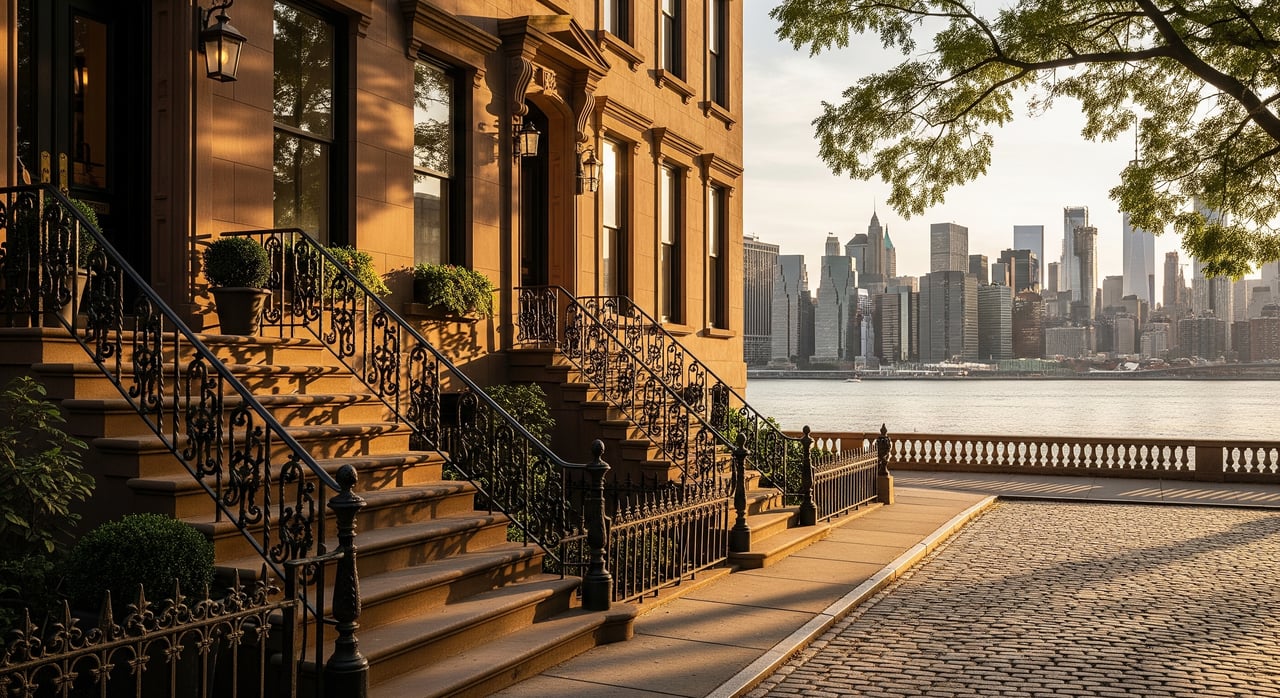
If you like the West Village’s village feel, you will recognize the intimate scale of Brooklyn Heights. Streets are narrower, traffic is calmer, and many blocks are lined with 19th‑century brownstones and low‑rise buildings. Compared with the Upper West Side, the neighborhood feels smaller and more residential, with immediate access to the waterfront and fewer large institutional anchors.
The draw starts with the Promenade and Brooklyn Bridge Park, then extends to tree‑lined blocks, historic architecture, and neighborhood‑serving retail. You trade a denser nightlife scene for quiet evenings and a strong sense of place. If your work is in Lower Manhattan, the commute is among the easiest from Brooklyn.
Neighborhood feel and daily rhythm
You live in a historic district with a village cadence: coffee, a short walk to the subway, and errands along Montague Street. Independent cafés, bakeries, pharmacies, and specialty shops meet most daily needs. For broader shopping and dining, you tap nearby Atlantic Avenue and Court Street.
Public spaces shape the lifestyle. The Brooklyn Heights Promenade offers a daily dose of skyline views, while Brooklyn Bridge Park adds lawns, playgrounds, sports fields, and programmed events along the piers. Together, they give you waterfront access that is hard to match in many Manhattan neighborhoods.
Housing types and what to expect
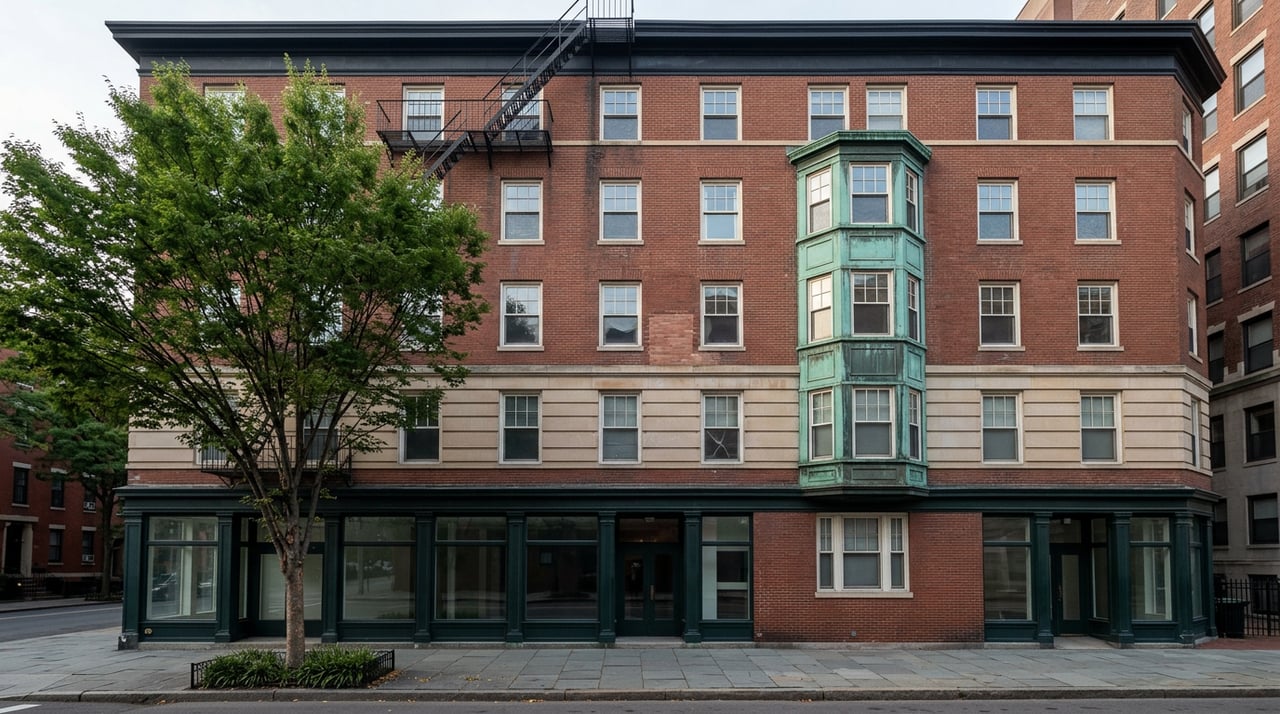
Inventory skews historic: many brownstones and rowhouses, prewar co‑ops, and smaller walk‑ups. You will also find a handful of mid‑rise and newer condos, more common at the edges near Downtown Brooklyn. Townhouses and single‑family homes exist, but supply is limited and pricing reflects high demand.
Price‑per‑square‑foot often rivals many Manhattan areas, especially for townhouses and well‑located brownstones. The difference you feel day to day is in space and character: multi‑room layouts, original details, and a quieter block count for a lot. Expect tight supply for larger family homes and competitive offer moments when the right property hits the market.
Co‑op vs condo dynamics
Co‑ops are common, so plan for board applications, interviews, and approvals. Down‑payment and debt‑to‑income expectations can be stricter than in condos, and closing timelines can be longer due to board processes. Condos, while less common in the historic core, allow more flexibility on financing and subletting.
To compare true monthly cost, look at the full picture: mortgage, co‑op maintenance or condo common charges, and property taxes. Co‑op maintenance often includes a portion of property taxes, while condo owners pay taxes separately.
Townhouses and brownstones
Townhouses remain a prized segment with limited turnover. Larger homes, outdoor space, and preserved architectural details drive competition. When you do find the right house, be ready with a clear plan for inspections, financing, and any needed cosmetic or systems work.
Renovation and historic rules
Much of the neighborhood sits in the Brooklyn Heights Historic District. Exterior changes often require review and approval. If you are planning a façade or window project, start with the NYC Landmarks Preservation Commission to understand guidelines and timelines.
Commute reality
You have a strong menu of transit options, especially into Lower Manhattan. Multiple subway lines and nearby ferry service keep trips flexible. Midtown is also reachable on direct lines or via quick transfers.
Subway lines you will use
Several stations sit within the neighborhood or just beyond it. From Clark Street and Borough Hall, the 2/3 lines connect quickly to Downtown Manhattan and beyond. Borough Hall also serves the 4/5 lines for Lower Manhattan access. High Street serves the A/C with connections to Midtown through transfer points, and R service at Borough Hall/Court Street adds more options. For maps and advisories, check the MTA subway resources.
For Downtown commutes, travel times are typically very competitive compared with many Upper West Side locations. Midtown can be comparable or slightly longer depending on your exact destination and transfer.
Ferry and biking options
NYC Ferry service from nearby East River landings adds a scenic alternative to the subway, with different Manhattan terminals and schedules. Many residents value the comfort and predictability of this route. Explore routes and schedules through the NYC Ferry portal.
The neighborhood is highly walkable, and Citi Bike stations dot the area. Waterfront paths and nearby bridge connections make biking a pleasant option for recreation or a commute. Review station locations and membership details via Citi Bike.
Driving and parking
Street parking is limited and garages can be costly. If you do not need a car daily, many residents choose to go car‑free and use ride services when needed. If car ownership is essential, factor garage availability and monthly rates into your budget early.
Parks, waterfront, and downtime
The Promenade is your daily reset: skyline views, fresh air, and a linear path for short walks and jogs. Brooklyn Bridge Park delivers a different scale of recreation with lawns, playgrounds, sports courts, dog runs, and cultural programming. For seasonal events, maps, and facilities, explore the Brooklyn Bridge Park site.
You also have Cadman Plaza Park and pocket playgrounds within walking distance. Compared with many Manhattan blocks, the immediate access to multiple green spaces is a defining advantage.
Schools, childcare, and services
Public elementary options are tied to your home address, and exact zoning can change. Families often consider nearby district programs and citywide options as well. Always verify current assignments and quality reports through the NYC Department of Education.
Private options include neighborhood institutions such as Packer Collegiate Institute, along with additional independent schools in adjacent areas. For childcare, you will find daycares, preschool co‑ops, and family providers, though availability can be competitive. Start early and confirm waitlist policies.
Healthcare is close by in Downtown Brooklyn and Lower Manhattan. Libraries and cultural programming are within easy reach through the Brooklyn Public Library network and local venues.
Dining, nightlife, and culture
Montague Street and nearby blocks offer a curated mix of restaurants, cafés, and bakeries. The focus is neighborhood‑serving rather than late‑night destination spots. For a wider scene, you can walk to DUMBO, Cobble Hill, or Downtown Brooklyn, and Manhattan’s offerings are a short subway ride away.
Community life includes park events and neighborhood associations. The feel is friendly and residential, with many long‑term residents invested in local stewardship.
Safety and peace of mind
Brooklyn Heights is generally perceived as a safe, low‑crime residential neighborhood relative to city averages. As with any city neighborhood, conditions vary by block and time of day. If safety is a key factor, review current statistics through NYPD CompStat and talk with local residents for context.
Key trade‑offs to consider
- Space vs nightlife density: You often gain space and quiet, but you trade away a block‑by‑block restaurant concentration.
- Co‑op prevalence: Expect more co‑ops and board processes than in many Manhattan condo‑heavy pockets.
- Commute patterns: Lower Manhattan is very convenient; Midtown is direct on some lines or requires a quick transfer.
- Historic protections: Plan ahead for exterior changes and consult the Landmarks process early.
- Parking: Street parking is tight and garages can be expensive; many residents choose car‑free living.
Smart steps for Manhattan buyers
- Get prepped for co‑op boards: Align your financials and references so you are ready when the right listing appears.
- Compare total monthly costs: Mortgage plus co‑op maintenance or condo charges and property taxes.
- Time your search around inventory: Larger co‑ops and townhouses have limited supply; be prepared to move decisively.
- Map your commute: Test your actual route on the MTA subway map and explore NYC Ferry options.
- Walk the parks: Visit the Promenade and explore Brooklyn Bridge Park at different times of day to gauge your routine.
The bottom line
Brooklyn Heights gives you a historic, village‑scale neighborhood with instant waterfront access and strong transit to Manhattan. Housing skews to co‑ops, townhouses, and prewar layouts, with limited but notable condo options at the edges. If you are seeking quiet streets, meaningful green space, and classic architecture without sacrificing Manhattan access, it belongs on your shortlist.
Ready to compare addresses, board processes, and renovation paths with a clear plan? Connect with Devin Hugh Leahy for tailored guidance and market strategy.
FAQs
How does the Brooklyn Heights commute compare to Manhattan neighborhoods?
- For Lower Manhattan, access is among the most convenient in Brooklyn. Midtown trips are direct on some lines or via quick transfers. Review routes on the MTA subway map.
Which subway lines serve Brooklyn Heights?
- You will use 2/3 at Clark Street and Borough Hall, 4/5 at Borough Hall, A/C at High Street, and the R at Borough Hall/Court Street, with connections into both Lower Manhattan and Midtown.
Are there ferry options to Manhattan from Brooklyn Heights?
- Yes. Nearby East River landings connect to Manhattan terminals. Check schedules and routes through NYC Ferry.
What housing types are most common in Brooklyn Heights?
- Expect 19th‑century brownstones and rowhouses, prewar co‑ops and walk‑ups, plus limited mid‑rise or newer condos near neighborhood edges.
How do co‑op purchases differ from condos in the area?
- Co‑ops often have stricter financing expectations and board approvals, with longer closings. Condos usually offer more flexibility on financing and subletting.
What are the rules for exterior renovations in Brooklyn Heights?
- Many blocks lie within the historic district. Exterior changes typically require review through the NYC Landmarks Preservation Commission.
Is Brooklyn Heights considered safe?
- It is generally perceived as a safe residential neighborhood. For current data, consult NYPD CompStat and visit blocks at different times.
What local parks and green spaces should I know?
- The Promenade and Brooklyn Bridge Park anchor the neighborhood, with Cadman Plaza and pocket playgrounds nearby for daily use.
Where can I verify public school options for a specific address?
- Use the NYC Department of Education to check current zoning and to review School Quality Reports.