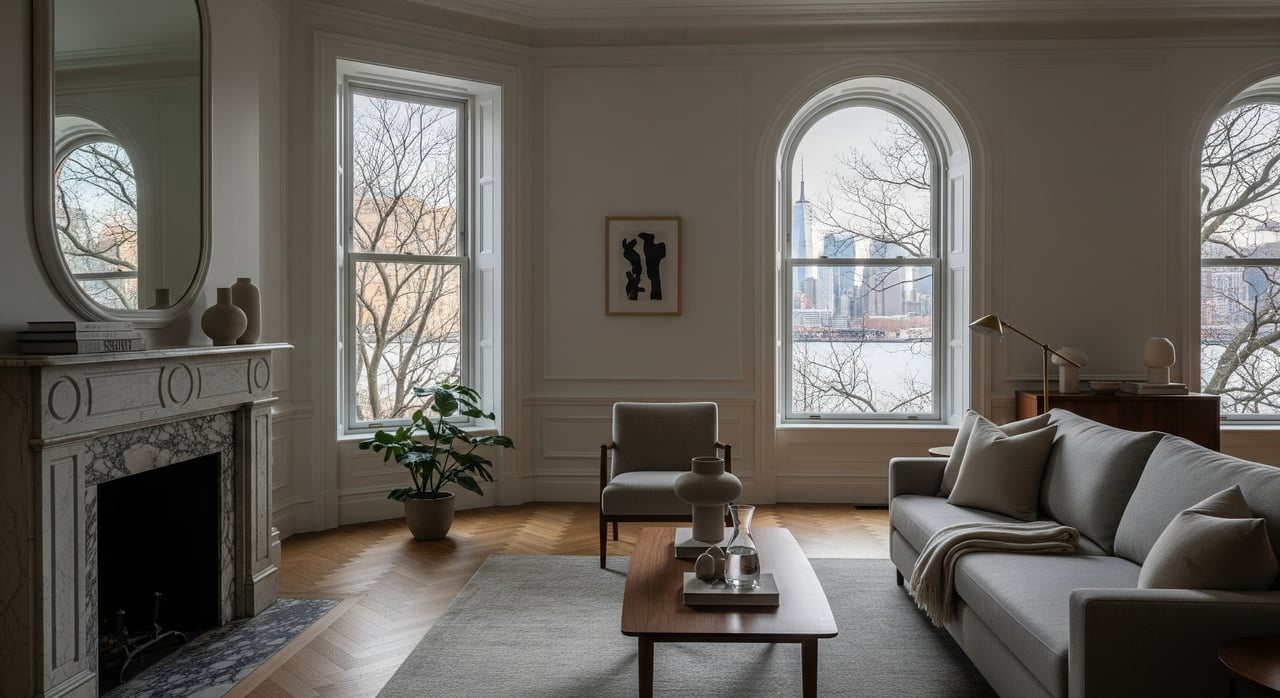
What if your morning walk came with skyline views, tree‑lined blocks, and a neighborhood pace that still gets you to Manhattan in minutes? If you are weighing a move, Brooklyn Heights blends historic charm with everyday convenience in a way few places do. You want clear guidance on homes, parks, commutes, renovation rules, and what daily life actually feels like here. This guide breaks it down so you can decide with confidence. Let’s dive in.
Neighborhood snapshot
Brooklyn Heights sits on the northwest edge of Brooklyn along the East River, immediately south of the Brooklyn Bridge and beside DUMBO. The neighborhood’s elevation gives you sweeping views of Lower Manhattan and quick access to the waterfront. Blocks are walkable, leafy, and residential, with retail focused along Montague Street and nearby corridors.
One of New York’s oldest residential areas, Brooklyn Heights grew in the 19th century as a commuter suburb. In the mid‑1960s, the city designated the Brooklyn Heights Historic District, the first of its kind in NYC. You see that history on every block: Federal‑era houses, Greek Revival and Italianate rowhouses, late‑19th‑century brownstones, and later apartment buildings.
Housing and architecture
Brownstones and rowhouses
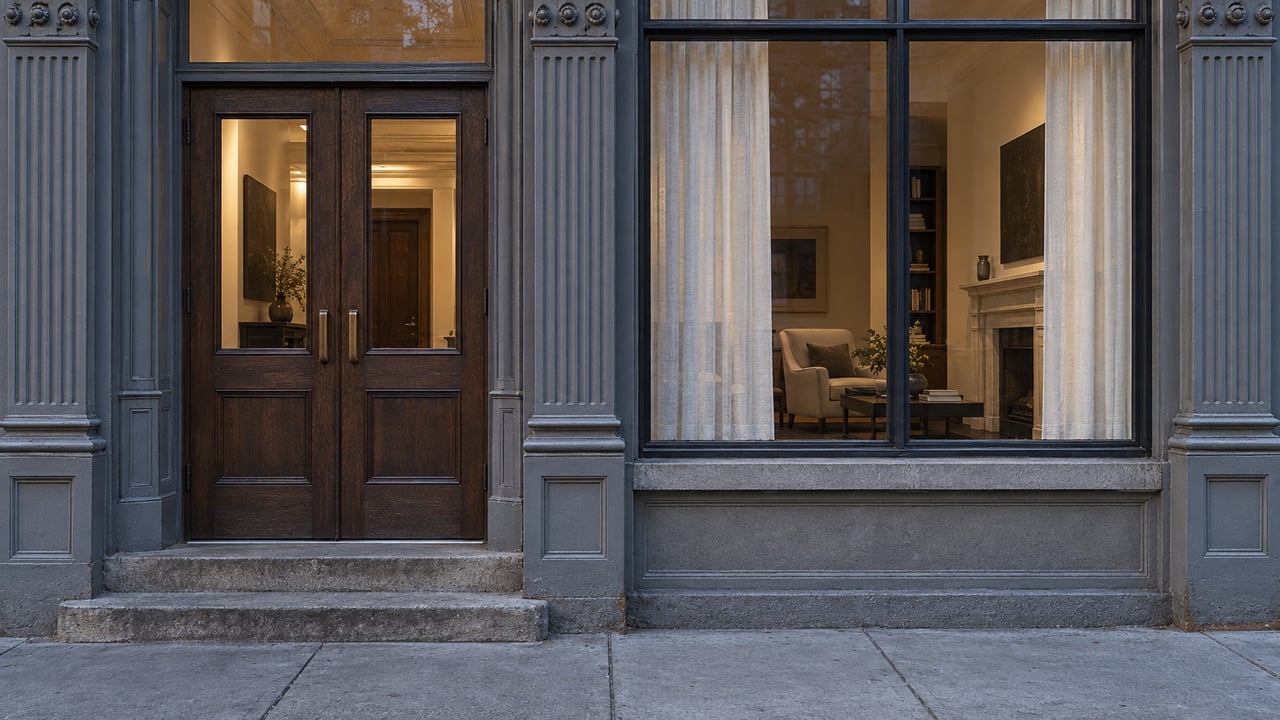
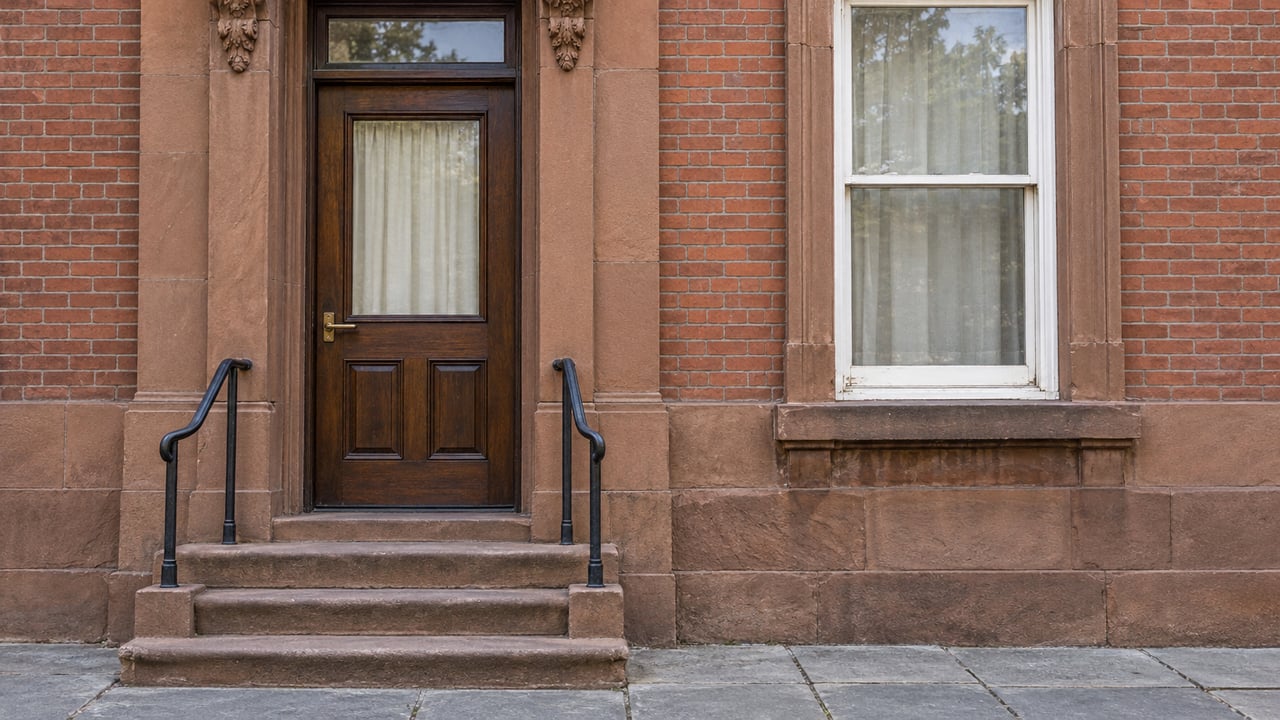
Most blocks feature 19th‑century rowhouses and brownstones, either single‑family or converted into multi‑unit homes. Many retain original details while offering updated kitchens and baths. You will also find garden‑level apartments and parlor‑floor homes with tall ceilings and large windows.
Co‑ops, condos, and elevator options
Beyond townhomes, the neighborhood includes walk‑up and mid‑rise apartment buildings, with a significant share of co‑ops. Condominiums and newer buildings exist in smaller numbers. Elevator buildings are present but less common than in newer condo corridors, so consider accessibility needs as you search.
Layouts and accessibility
Stoops and internal stairs are part of the brownstone experience. If you prefer step‑free access for strollers or mobility concerns, target elevator buildings or ground‑floor homes. Plan showings with layout and access in mind so daily routines feel easy from day one.
Renovation and preservation rules
Because much of the neighborhood sits within a protected historic district, exterior changes visible from the street usually require NYC Landmarks Preservation Commission review. That includes windows, cornices, stoops, and certain rooftop additions. Interior work generally follows Department of Buildings permitting; structural or façade changes can trigger preservation oversight.
Co‑op vs. condo decisions
Older stock often means co‑ops with board review, financial qualifications, and building rules that can affect renovations and resale. Condos and newer construction may offer more flexibility on rentals and resales, with different common charges and bylaws. Align purchase type with your plans for holding period, financing, and any potential leasing.
Parks and waterfront
Brooklyn Heights Promenade
The Promenade is an elevated walkway with panoramic harbor and skyline views. It is a daily ritual for many, perfect for morning coffee, a stroller stroll, or an evening jog. Living nearby means this outlook becomes your backyard overlook.
Brooklyn Bridge Park
A major waterfront park lines the edge of the neighborhood with piers, lawns, playgrounds, and sports fields. Seasonal programming, movie nights, and cultural events make weekends feel full without leaving the area. It is central to daily life for families, dog owners, and anyone who enjoys being outdoors.
Pocket parks and plazas
Cadman Plaza and smaller neighborhood parks add green space within easy reach of most homes. You will find dog runs, playgrounds, and quiet spots to read or work.
Waterfront and flood risk
Waterfront access is a gift, but you should assess flood exposure on low‑lying blocks or properties with basements. Review FEMA flood maps, ask about building‑level mitigation like raised mechanicals or flood vents, and factor insurance requirements into your budget. A focused due diligence plan keeps surprises out of the closing.
Dining, retail, and culture
Montague Street essentials
Montague Street serves as the neighborhood’s main commercial spine, with cafés, bakeries, restaurants, small groceries, independent shops, and services. The mix is mostly neighborhood‑serving with a handful of elevated dining spots and specialty food stores.
Local culture and weekend rhythm
Historic churches, civic buildings, and neighborhood institutions anchor the area’s identity. The Center for Brooklyn History and local libraries host talks and exhibits, while nearby Brooklyn Bridge Park adds seasonal events and markets. Nightlife is calmer than other Brooklyn hubs, which many residents value.
Transportation and connectivity
Quick access to Manhattan is a major draw. Multiple subway stations serve the area, and walking or biking to DUMBO or Lower Manhattan is common. Citi Bike docks are nearby, and the neighborhood’s sidewalks and bike routes make short trips simple.
NYC Ferry routes along the Brooklyn waterfront offer a scenic alternative for commuting and weekend trips. If you drive, on‑street parking is limited and garages can be costly. Many residents choose car‑free living and rely on transit, biking, or rideshare.
Commute expectations
Subway rides to Lower or Midtown Manhattan often fall in the 15 to 40 minute range depending on your destination and starting point. Always check current MTA schedules for the latest service and travel times.
Daily life for families
The neighborhood is close to several public and private schools and preschools. Public school assignments follow NYC Department of Education rules and programs, so confirm your specific options based on address and grade. Many families explore a mix of zoned, charter, and private pathways.
For strollers and gear, consider ground‑floor or elevator access if you prefer to avoid stairs. Proximity to playgrounds and the park turns quick outings into easy routines. The park network and Promenade make outdoor time simple, from pick‑up soccer to scooter laps.
What it costs to live here
Brooklyn Heights is among Brooklyn’s higher‑priced neighborhoods. Prices reflect historic housing, waterfront access, and proximity to Manhattan. Limited inventory and strong demand from commuters and families are consistent drivers of value. Track recent sales, price‑per‑square‑foot trends, and time on market as you plan.
Buyer checklist
- Walk the block at different times to gauge light, noise, and foot traffic.
- Confirm whether the home is in the historic district and ask which exterior elements are landmarked.
- Review co‑op or condo rules: sublets, renovations, pets, and storage.
- Assess accessibility needs: stoops, internal stairs, elevator service.
- Evaluate flood exposure and any building mitigation or insurance requirements.
- Map your commute options: nearest subway, ferry, bike routes, and Citi Bike docks.
- Budget for parking or plan for car‑free living if needed.
Seller and owner insights
Well‑presented homes command attention in a market with limited inventory. Historic details, light, and proximity to parks are your value levers. Thoughtful staging, high‑quality photography, and clear renovation documentation help buyers move decisively.
If you plan updates, weigh preservation rules early and structure the scope to align with Landmarks and DOB requirements. For co‑ops and condos, assemble building records, alteration agreements, and house rules so buyers have a complete picture. Clarity and presentation shorten time on market and protect pricing.
Ready to explore Brooklyn Heights?
If you want more space, walkable streets, and fast Manhattan access, Brooklyn Heights delivers. With the right strategy, you can navigate historic rules, find the layout that fits your life, and secure a home that holds value. For curated guidance and start‑to‑finish support, connect with Devin Hugh Leahy.
FAQs
What types of homes are in Brooklyn Heights?
- Mostly 19th‑century brownstones and rowhouses, plus walk‑ups, mid‑rise co‑ops, and a smaller number of condos and newer buildings.
How long is the commute to Manhattan from Brooklyn Heights?
- Depending on destination, typical subway commutes range from about 15 to 40 minutes, with ferries and biking as additional options.
What should families know about schools in Brooklyn Heights?
- The area is near several public and private options; confirm assignments and admissions with the NYC Department of Education for your address and grade.
How does the historic district affect renovations in Brooklyn Heights?
- Exterior work visible from the street usually needs Landmarks approval, while interior renovations follow DOB permitting and building rules.
Is flood risk a concern for homes near the Brooklyn waterfront?
- Some low‑lying properties face elevated risk; review FEMA flood maps, ask about building‑level mitigation, and factor insurance into your budget.
What is the dining and shopping scene like in Brooklyn Heights?
- Montague Street and nearby blocks offer cafés, bakeries, restaurants, small groceries, and independent shops focused on daily needs with a few upscale options.
How is parking and car ownership in Brooklyn Heights?
- On‑street parking is limited and garages can be costly, so many residents rely on transit, biking, walking, and rideshare for daily travel.