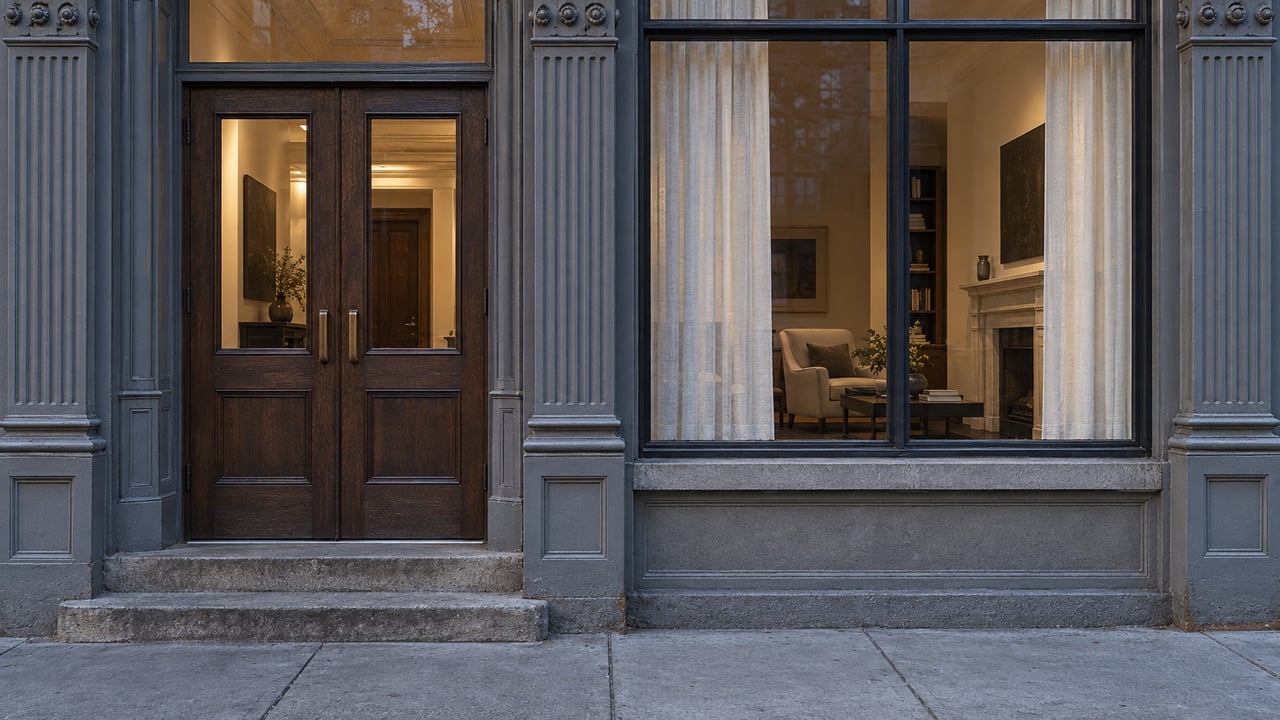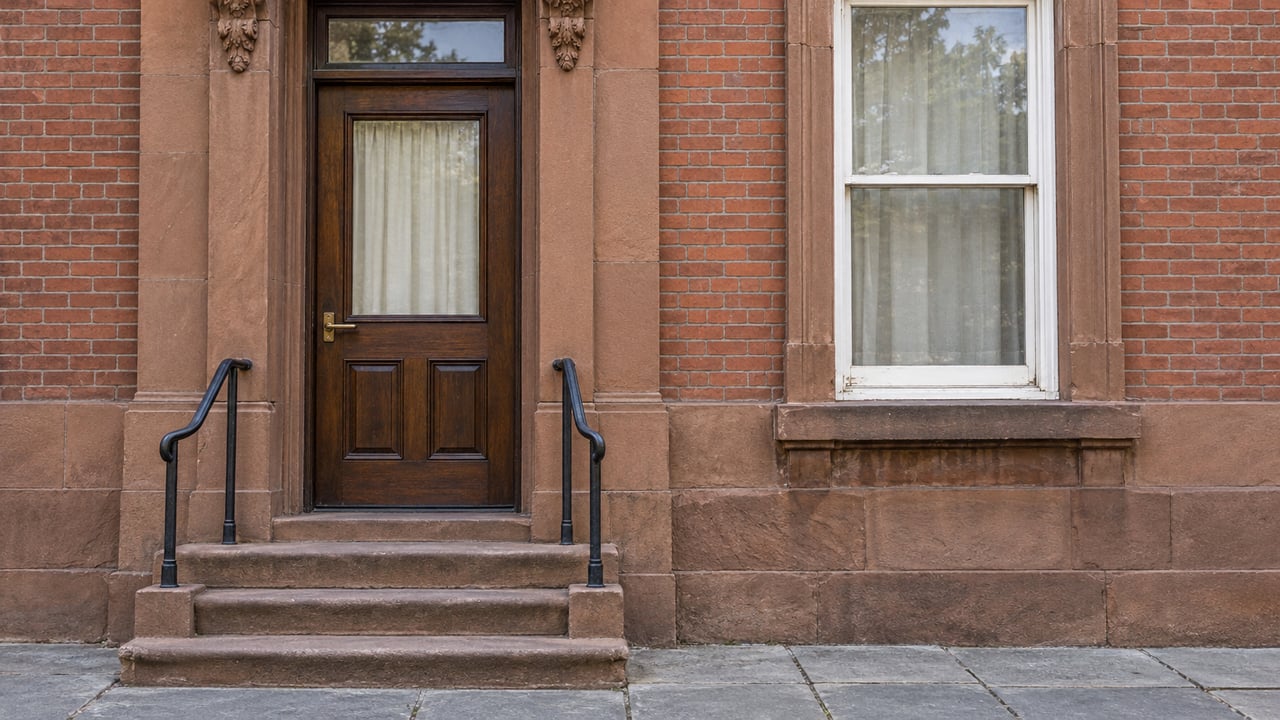
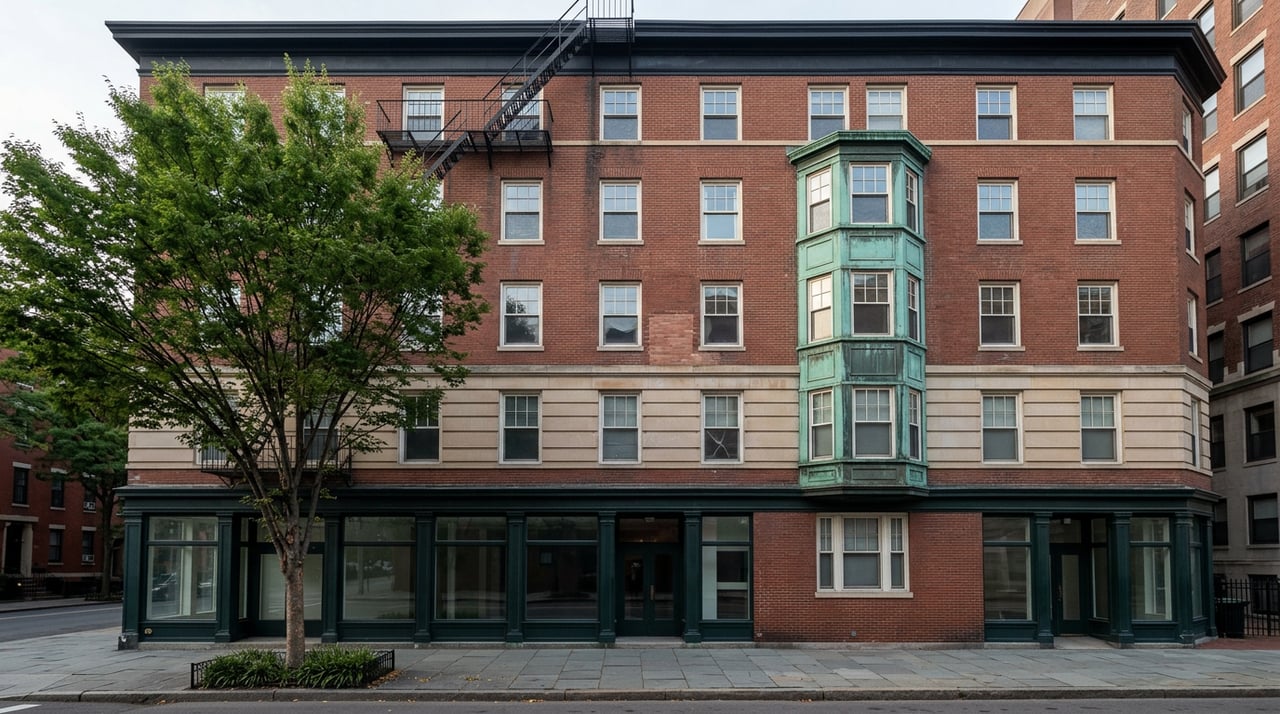
In comments reported by WhatNow.com, Talea Beer Co. co-founder LeAnn Darland explained why her brewery spent years watching for the right corner to open on: "It's a very attractive neighborhood that doesn't have a ton of bar offerings in the same way that a lot of downtown neighborhoods have," she said of the Upper West Side. She found it this year: the long-dark storefront at 441 Amsterdam Avenue that used to be the Irish pub St. James Gate.
Darland's search is one thread in a pattern that's easy to miss if you only look at what's new. Three of the neighborhood's most storied commercial rooms are reopening within weeks of each other this fall, and all three cleared Community Board 7's Business & Consumer Issues Committee on the same night, June 10, 2026, according to I Love the Upper West Side. What connects them isn't that they're new. It's that none of the incoming operators gutted what they found. They're building around it.
The Room That Keeps Changing Names, Never Its Bones
Walk past 446 Columbus Avenue this month and you'll see Boucherie's signage already up in the windows where The Milling Room's sign used to hang. The space has a longer memory than that single restaurant. Before it was The Milling Room, which closed in December after about a dozen years in business, the room went by Corvo Bianco, and before that Calle Ocho, and before that Main Street. Go back far enough and you land in 1890, when the space opened as the Palm Room of the old Endicott Hotel, a skylit hall built of Pompeian brick and terracotta.
What's coming next is Boucherie, the French brasserie and steakhouse group, which is combining the old Milling Room footprint with the adjacent former Starbucks at 444 Columbus into a single 222-seat dining room plus roughly 25 seats at the bar. It'll be Boucherie's fourth Manhattan location, joining outposts in Union Square, Midtown, and the West Village, alongside locations in Chicago, Washington, D.C., and Miami.
Here's the detail that tells you something about how these deals actually get made: according to Boucherie's attorney, the landlord steered the group toward a French concept for the block over the restaurant's original idea of an Italian spot. Someone with a stake in that corner had an opinion about what belonged there, and it shaped the outcome. And the room's interior landmark designation, one of the Upper West Side's rare ones, means the glass ceiling, the mural, and the wrought iron all stay. Boucherie's CEO called it a full restaurant running until midnight nightly, not a bar.
Three Rooms, One Committee, One Season
| Address | What it was | What's coming | Target opening |
|---|---|---|---|
| 444-446 Columbus Ave | Starbucks and The Milling Room (formerly the Endicott Hotel's Palm Room) | Boucherie, French brasserie and steakhouse | October 2026 |
| 441 Amsterdam Ave | St. James Gate, Irish pub (closed 2024) | Talea Beer Co., all-day taproom | October 2026 |
| 1 West 67th St | Café des Artistes, later The Leopard at des Artistes | New fine-dining concept from Air Cafe LLC | October 2026 |
A Long-Vacant Corner Chooses Character Over a Blank Box
The St. James Gate space had sat empty since 2024, which made it an odd choice on paper. Talea could have taken a raw, unbuilt storefront anywhere in the city. Instead, according to reporting on the deal, the brewery was drawn specifically to the corner's exposed brick and natural light, the kind of texture you can't build from scratch cheaply.
This will be Talea's sixth taproom, following the Williamsburg flagship that opened in 2021 and locations in Cobble Hill, the West Village, Bryant Park, and the Penn District. The Upper West Side version is designed as an all-day concept: morning coffee and remote work sessions giving way to a traditional taproom by late afternoon, sixteen beers on tap, and for the first time in the company's history, a culinary consultant brought in to build out breakfast, lunch, and dinner service. Darland and co-founder Tara Hankinson describe the target customer plainly: young families and new moms, in a business where roughly 70 percent of customers are women. Hankinson has said she wants the space to become a gathering point for book clubs and neighborhood meetings, not just a bar with a happy hour. The application caps outdoor seating at four or five small sidewalk tables on West 81st Street, with no seating on Amsterdam Avenue itself and the outdoor section closing by 10 p.m. nightly.
The Room Where Café des Artistes Used to Be
One West 67th Street carries more institutional weight than either of the other two addresses. The room housed Café des Artistes for decades, then The Leopard at des Artistes for fifteen years after that. It's the kind of space longtime residents measure anniversaries against.
The incoming operator is Air Cafe LLC, led by managing partner Max Katzenberg. He and his partner currently run three restaurants in Lower Manhattan: Tokyo Record Bar, Roscioli, and Pearl Box. Katzenberg previously ran Olmsted and Maison Yaki in Brooklyn, and he described both as deeply neighborhood-oriented in the way he understands the Upper West Side to be. That's a specific bet: an operator with a track record building rooms that serve the block they're on, not a concept designed to travel.
The Committee That Decides What Comes Back
All three of these applications passed CB7's Business & Consumer Issues Committee unanimously on June 10. None of them are final. Each still needed ratification by the full board before the committee could forward the liquor license applications to the State Liquor Authority, a process that typically adds weeks even after a unanimous committee vote.
That committee isn't the only one with a hand in what these blocks look like. A few blocks south, on West 72nd Street, Tip Top Shoes has its own case pending in front of a different CB7 body, the Preservation Committee. The store, run by fourth-generation owner Lester Wasserman, sits inside the Upper West Side Historic District, which means even a storefront sign change needs sign-off. Wasserman brought in designer Alexander King to replace a vinyl sign installed in the early 2000s with something that has, in King's words, more character. Fast, quick vinyl signs, King told the committee, don't look the part and don't last. Tip Top was recently named one of the city's top 25 clothing stores by The New York Times, a detail that makes the sign fight feel less like bureaucracy and more like a neighborhood protecting something it's proud of.
Two different committees, two different kinds of approval, one shared fact: nothing changes on these blocks without someone in the room arguing for what should stay the same.
Two Blocks Away, a Slice Shop and a Childhood Dream
Not every reopening on this stretch involves a historic shell. Lucia Pizza is building out a former Starbucks at 159 Columbus Avenue, between West 67th and 68th Streets, a few blocks from the Boucherie site and not far from Lincoln Center. Founder Sal Carlino signed a ten-year lease at $325 per square foot for the roughly 900-square-foot space, which will be Lucia's fifth location after its start in Sheepshead Bay and outposts in SoHo, Gramercy, and the Upper East Side.
Even here, the instinct runs toward preservation rather than replacement. Carlino says he wants to keep the original wooden frame around the entrance, adding vintage posters and a custom neon sign rather than stripping the space down. He's framed the location in personal terms: proximity to Alice Tully Hall and Lincoln Center, he's said, is something close to a childhood dream. The shop is stand-up only, with two bars running along the front window and an interior wall, light grey terrazzo tiles underfoot, and dark green wooden trim matching the branding of Lucia's other shops. It's targeting a late September opening, just ahead of the October wave a few blocks north.
What This Fall Actually Tells You
None of these operators needed the Upper West Side. Boucherie already has three other Manhattan locations. Talea already runs five taprooms across the city. The team behind the new des Artistes concept has three restaurants downtown they could have expanded from anywhere. What they chose instead was a set of rooms with existing character, existing history, and in two cases, existing legal protection over what can change. That's not a coincidence of timing. It's a read on what this neighborhood rewards.
If you've lived here through a few of these storefront cycles, you already know the rooms outlast the names on the door. This fall just makes that unusually visible, with three of them turning over inside the same season and the same committee signing off on all three.
For more on how the Upper West Side's blocks are evolving season to season, explore the neighborhood guide from Devin Hugh Leahy, where new coverage goes up as these openings move from committee approval to open doors.